Choosing the right thermal base layer bottoms for running can make cold-weather miles far more comfortable. The best pairs balance warmth, moisture control, stretch, and a stay-put fit.
Below, we focus on options that work for training runs, winter layering, and active use without adding unnecessary bulk.
Best 10 Thermal Base Layer Bottoms for Running Picks for 2026
Versatile Compression Pick
HYCOPROT Men's Compression Pants for Training
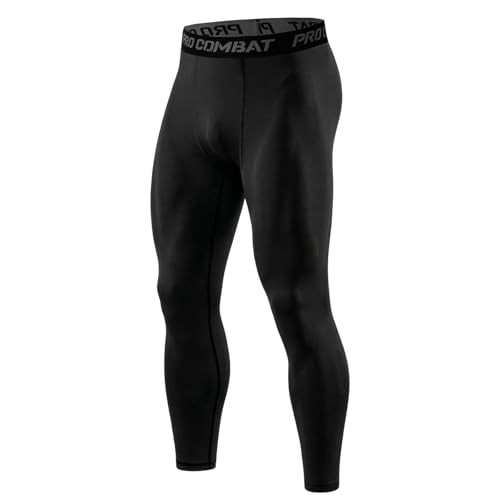
- Lightweight high-stretch compression fit
- Quick-dry fabric for sweat management
- Ergonomic seams help reduce friction
Best For: runners who want a supportive, multi-sport base layer
Warm Everyday Thermal
Fruit of The Loom Waffle Thermal Long Johns
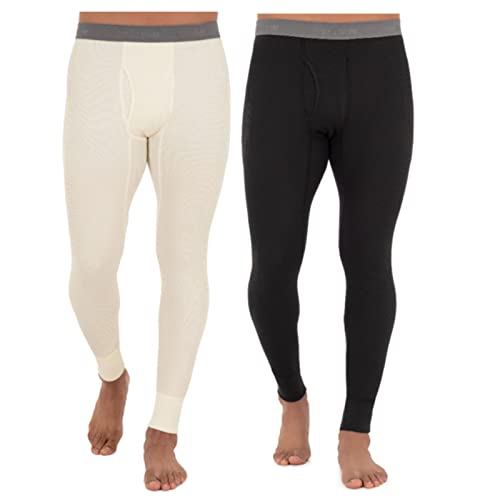
- Waffle knit traps body heat
- Moisture-wicking for dry comfort
- Flat seams and rib cuffs improve wear
Best For: cold-weather runners needing a soft layering bottom
Performance Midweight Layer
Carhartt Force Stretch Base Layer Pant

- FastDry fabric wicks sweat quickly
- Odor resistant with flatlock seams
- Midweight stretch build adds comfort
Best For: cold-weather runners wanting durable sweat control
Lightweight Ventilated Tight
Under Armour HeatGear Armour Leggings

- Super-light fabric with ventilation panels
- Wicks sweat and dries fast
- Ergonomic seams reduce abrasion
Best For: runners wanting a breathable, ultra-tight base layer
Extreme Warmth Pick
CL convallaria thermal bottoms for cold-weather running

- Midweight fleece-backed fabric adds warmth
- Moisture-wicking helps reduce clammy feel
- 4-way stretch supports active movement
Best For: Runners who want a warmer fitted layer for very cold conditions
Lightweight Runner Pick
32 Degrees lightweight baselayer leggings
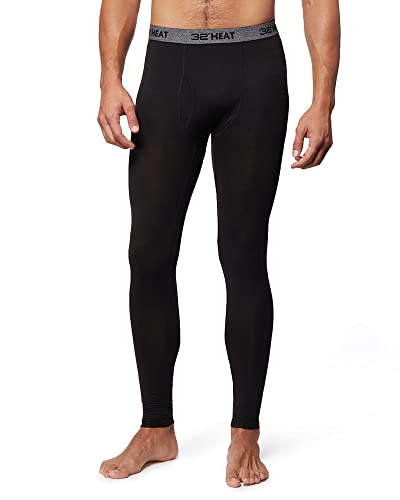
- Lightweight knit adds warmth without bulk
- Moisture-wicking and anti-odor for active use
- 4-way stretch supports a fitted running feel
Best For: Runners who want a lighter winter layer for regular training
Durable Workhorse Pick
Carhartt Force midweight base layer pant

- Wicks sweat and dries fast
- Flatlock seams help reduce chafing
- Midweight build suits cold-weather use
Best For: Runners who want a durable, sweat-managing winter layer
Thermal Compression Pick
Runhit Men's Fleece-Lined Athletic Tights

- Fleece-lined for added winter warmth
- 4-way stretch supports running and training
- Breathable, quick-dry, sweat-wicking fabric
Best For: cold-weather runners who want a snug performance base layer
No-Bulk Winter Layer
Rocky Men's Thermal Long Johns Bottoms

- Fleece-lined design aims to keep warmth in
- Moisture-wicking fibers help manage sweat
- Elastic waistband helps prevent bunching
Best For: runners who want warm, low-bulk winter layering
Lightweight Layering Choice
Upgraded Fleece-Lined Thermal Set Bottoms

- Lightweight fabric is easy to layer under gear
- Quick-dry, moisture-wicking design helps keep you dry
- Odor-resistant, stretchable construction adds comfort
Best For: runners who want a slim, lightweight cold-weather base layer
Versatile Compression Pick – HYCOPROT Men's Compression Pants for Training
If you want thermal base layer bottoms for running with a snug, supportive feel, these HYCOPROT compression pants lean more toward all-season training than heavy winter insulation. The high-stretch polyester-spandex fabric is lightweight, quick-drying, and designed to reduce friction while moving.
Best For: Runners and athletes who want a lightweight, compression-style base layer for running and multi-sport training.
Pros:
- High-stretch fabric offers a tight, supportive fit with no movement restriction.
- Quick-dry material helps absorb and move sweat during exercise.
- Ergonomic stitching is designed to reduce friction and improve comfort.
- Lightweight build works well for a wide range of sports and workouts.
Cons:
- Not a dedicated thermal heavyweight option for very cold runs.
- Low-rise, compression style may not suit everyone’s preference.
Overall, this is a practical pick if you want fitted running bottoms that prioritize support, breathability, and fast-drying performance over maximum warmth.
Warm Everyday Thermal – Fruit of The Loom Waffle Thermal Long Johns
Fruit of the Loom Men's 2-Pack Recycled Waffle Thermal Underwear Bottom, Black/Natural, X-Large
Check Price On AmazonFor thermal base layer bottoms for running in colder weather, this Fruit of the Loom waffle-knit option focuses on warmth, comfort, and moisture control. The cotton-poly blend traps heat while the fitted shape, flat seams, and rib cuffs are built to make layering easier.
Best For: Cold-weather runners who want a soft, affordable thermal bottom for layering.
Pros:
- Waffle knit fabric is designed to trap body heat for warmth.
- Moisture-wicking helps keep you drier during outdoor activity.
- Flat-lock seams can reduce irritation and chafing.
- Rib cuffs and elastic waistband help keep the fit secure.
Cons:
- Heavier, warmer feel may be more than you need for mild runs.
- Fitted long-john style is less performance-focused than technical run tights.
This is a solid value layer if your priority is staying warm on cold runs rather than getting a pure high-performance athletic tight.
Performance Midweight Layer – Carhartt Force Stretch Base Layer Pant
If you need thermal base layer bottoms for running that emphasize sweat control and durability, the Carhartt Force Midweight Stretch Base Layer Pant is built around fast-drying performance. The brushed interior, flatlock seams, and midweight stretch fabric aim to keep long efforts more comfortable.
Best For: Runners who want a midweight base layer with strong sweat-wicking and anti-chafe details.
Pros:
- Force technology and FastDry fabric wick sweat and dry quickly.
- Odor-resistant performance is helpful for repeated workouts.
- Flatlock seams reduce chafing during movement.
- Brushed waistband and interior add comfort in cooler conditions.
Cons:
- More midweight than ultra-light, so it may feel warm for hard-effort runs.
- Built with a work-utility angle as much as a running focus.
Overall, this is a strong choice if you want a tougher, more comfort-oriented thermal layer for cold training sessions and mixed outdoor use.
Lightweight Ventilated Tight – Under Armour HeatGear Armour Leggings
Under Armour Men's HeatGear Armour Leggings, 001 BLACK, XL | Why We Like The HeatGear Armour Legging
Check Price On AmazonFor runners who prefer a light, close-fitting option, these Under Armour HeatGear Armour Leggings work well as thermal base layer bottoms for running when you want coverage without extra bulk. The super-light fabric, mesh ventilation, and fast-wicking construction are aimed at hard training days.
Best For: Runners who want an ultra-light base layer with ventilation and a very tight fit.
Pros:
- Super-light HeatGear fabric provides coverage without weighing you down.
- Strategic mesh panels add ventilation where it’s needed.
- Wicks sweat and dries very fast for active training.
- Ergonomic seam placement helps reduce abrasion.
Cons:
- Ultra-tight fit may feel too compressive for some runners.
- Lightweight construction is less insulating than true thermal-heavy layers.
This is the most run-specific performance option here if you want a sleek, breathable layer for workouts and cooler-but-not-frigid runs.
Extreme Warmth Pick – CL convallaria thermal bottoms for cold-weather running
If you need thermal base layer bottoms for running in cold conditions, this set is built around warmth, stretch, and sweat management. The midweight fleece feel and moisture-wicking fabric help keep you comfortable on winter runs without that sticky, clammy sensation.
Best For: Runners who want a warmer, fitted base layer for very cold outdoor training.
Pros:
- Midweight 220g/m² fabric with added fleece for strong cold-weather warmth
- Moisture-wicking material helps keep sweat off your skin
- 4-way stretch supports squats, strides, and active movement
- Tagless design and elastic waistband improve everyday comfort
Cons:
- Midweight warmth may feel too warm for mild runs
- Sold as a set, so you are getting the top and bottom together
This is a practical pick if your priority is staying warm during winter mileage, especially when running in snow or very cold air. It leans more toward comfort and insulation than ultralight speed.
Lightweight Runner Pick – 32 Degrees lightweight baselayer leggings
For thermal base layer bottoms for running, this lightweight legging is a strong option when you want warmth without a bulky feel. Its stretch knit, moisture-wicking performance, and anti-odor features make it a sensible layer for runs, walks, or other cold-weather workouts.
Best For: Runners looking for a lightweight, fitted thermal layer for everyday winter training.
Pros:
- Lightweight knit with acrylic blend for comfortable warmth
- Moisture-wicking and anti-odor features suit active use
- 4-way stretch and fitted cut allow easy movement
- Tag-free waistband and functional fly add convenience
Cons:
- Lightweight build may not be warm enough for extreme cold
- Fit is form-fitting, which may not suit those wanting a looser feel
This is the most versatile option here if your runs vary in intensity and you want a base layer that stays close to the body. It balances warmth and mobility well for regular cold-weather sessions.
Durable Workhorse Pick – Carhartt Force midweight base layer pant
If you want thermal base layer bottoms for running and also value durability, this Carhartt option brings midweight warmth with sweat-wicking performance. It is designed to dry fast and reduce chafing, which is helpful on longer cold-weather efforts.
Best For: Runners who prefer a durable midweight base layer with sweat management and chafe reduction.
Pros:
- Force technology wicks sweat and dries fast
- FastDry and odor-fighting features help on longer sessions
- Flatlock seams are placed to reduce chafing
- Midweight polyester build offers solid cold-weather coverage
Cons:
- Notes say it may run slightly small, so sizing up may be needed
- More of a workhorse layer than a lightweight racing option
This is a good choice if you want a dependable winter base layer that can handle hard use. It is especially appealing when comfort, durability, and moisture control matter more than minimal weight.
Thermal Compression Pick – Runhit Men's Fleece-Lined Athletic Tights
If you want thermal base layer bottoms for running that feel more like performance tights than bulky winter wear, this Runhit pair is built for cold conditions. The fleece-lined, high-stretch fabric is meant to keep warmth in while still offering breathable, quick-dry comfort for training and outdoor workouts.
Best For: Runners and athletes who want a snug, fleece-lined base layer for cold-weather training.
Pros:
- Fleece-lined 88% polyester / 12% spandex fabric adds warmth without a heavy feel.
- 4-way stretch and compression support suit running, gym work, and other active use.
- Breathable, sweat-wicking material is designed for quick-dry comfort.
- Flatlock seams and a heat transfer label help reduce irritation.
Cons:
- Skinny, fitted cut may feel too tight for runners who prefer a relaxed layer.
- No pockets, so it is focused purely on layering and performance.
Overall, this is a straightforward cold-weather running base layer if you value a close fit and compression over casual comfort. The warm, stretchy construction makes it versatile for winter training sessions and other high-output sports.
No-Bulk Winter Layer – Rocky Men's Thermal Long Johns Bottoms
For thermal base layer bottoms for running in colder weather, this Rocky option leans into warmth and stay-put comfort. The fleece-lined, moisture-wicking design is made to keep you dry and comfortable, while the spandex-based fabric and elastic waistband help prevent bunching during movement.
Best For: Cold-weather runners and outdoor users who want a no-bulk thermal bottom that stays in place.
Pros:
- Soft fleece lining is designed to add warmth without bulk.
- Moisture-wicking fibers help reduce sweat buildup during activity.
- Elastic waistband and spandex-based fabric are intended to stay put and avoid bunching.
- Machine washable construction adds easy-care practicality.
Cons:
- Listed as straight-leg, which may feel less tight than compression-style running tights.
- More oriented toward casual winter wear and layering than pure running performance.
This is a practical pick if you want dependable warmth with a less technical feel. It should work well under running gear when staying dry and avoiding bulk matter most.
Lightweight Layering Choice – Upgraded Fleece-Lined Thermal Set Bottoms
If you’re shopping for thermal base layer bottoms for running and want something lightweight enough to layer easily, this set is designed around comfort and moisture management. The polyester-spandex fabric is meant to provide warmth, quick-dry performance, and a slim profile under clothing.
Best For: Runners who want a lightweight, slim-fitting base layer for cold-weather layering.
Pros:
- Heat-retention fabric is intended to provide reliable warmth in cold weather.
- Lightweight, quick-dry material helps reduce the cold, damp feeling after sweating.
- Four-way stretch construction supports mobility and all-day comfort.
- Odor-resistant and pilling-resistant features add everyday practicality.
Cons:
- Sold as a set, so the bottom is bundled with the matching top.
- Fit is described as regular/slim, which may not suit runners wanting a looser layer.
This is a sensible layering option if you want a lighter thermal piece that works under running gear or everyday clothes. The slim, stretchable design makes it especially useful when comfort and low bulk matter.
How We Picked the Best Thermal Base Layer Bottoms for Running
To narrow down the best Thermal Base Layer Bottoms for Running, we looked for running-friendly warmth, fabric breathability, comfortable seams, and enough stretch for a natural stride. We also favored options that can handle repeated wear, layering under tights or pants, and colder conditions without feeling restrictive.
Quick Comparison
For milder cold, lighter compression or lightweight baselayer bottoms are usually the easiest to run in because they reduce overheating. For deeper winter runs, fleece-lined or midweight thermal options provide more insulation, but they should still wick sweat well. Classic waffle-knit and midweight stretch fabrics often sit in the middle, making them versatile for everyday cold-weather training.
Key Buying Factors for Thermal Base Layer Bottoms for Running
Warmth Vs. Breathability
Running generates heat quickly, so the best winter base layer is not always the thickest. Look for fabric that traps enough warmth for your climate while still moving moisture away from the skin. If you overheat easily, lighter-weight or more breathable thermal bottoms are usually the safer choice.
Fit and Mobility
A close fit helps trap warmth and prevents bunching under outer layers, but the waistband, rise, and leg openings should not pinch or slide. Stretch fabrics are especially useful for runners because they support a full range of motion during strides, hill repeats, and warmups.
Weather and Use Case
For dry, cold runs, lightweight thermal bottoms may be enough. For windy conditions, long easy runs, or commuting before and after workouts, midweight and fleece-lined styles make more sense. If you plan to use the same pair for running, gym sessions, and everyday winter wear, a versatile midweight option is often the best value.
Fabric and Next-To-Skin Comfort
Soft, non-itchy fabrics matter on longer runs. Flat seams and smooth interiors can reduce chafing, while synthetic blends often dry faster than cotton-heavy materials. If you expect to sweat a lot, prioritize moisture management over pure insulation.
Who Should Buy Which Thermal Base Layer Bottoms for Running?
Runners in mild winter climates should start with lightweight or compression-style Thermal Base Layer Bottoms for Running. Those facing true winter temperatures should look at midweight or fleece-lined options for better heat retention. If you want a versatile layer for running plus general cold-weather wear, choose a balanced midweight pair with stretch and good moisture control. If comfort and softness matter most for casual winter mileage, waffle-knit styles can be a practical everyday pick.
In short, match the thickness to your climate and the intensity of your runs. The right pair should keep you warm at the start, breathe on the move, and stay comfortable until the cooldown.