Side sleepers need more than a standard pad: the best option keeps hips and shoulders cushioned without bottoming out on hard ground. That usually means extra thickness, better pressure relief, and enough stability to stay comfortable through the night.
In this roundup, we focus on sleeping pads for side sleepers that aim to improve rest in tents, cars, and other camping setups while still fitting real-world travel needs.
Best 10 Sleeping Pads for Side Sleepers Picks for 2026
Side-Sleeper Air Support
ZOOOBELIVES 4-Inch Full Air Pad

- 4-inch full air chambers support hips and shoulders.
- Built-in foot pump speeds inflation.
- Compact and lightweight for camping trips.
Best For: Side sleepers wanting firm, full-air support
Side-Alignment Knee Cushion
Contour Legacy Leg & Knee Pillow

- Supports both legs and knees for alignment.
- Ventilated memory foam aims to sleep cooler.
- Ergonomic shape works without straps.
Best For: Side sleepers needing knee and hip alignment help
Extra-Thick Camping Comfort
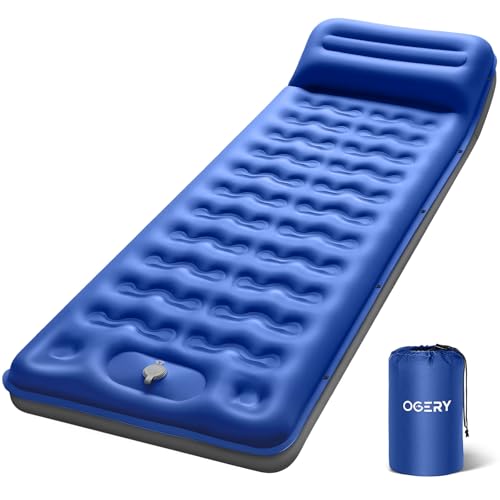
- 6-inch thickness adds extra cushioning.
- Built-in pillow supports back and neck.
- Foot pump and dual valves speed setup.
Best For: Side sleepers who want maximum pad thickness
Low-Profile Back Relief

- Medium-soft foam supports the lower back.
- Can be used under knees or legs.
- Breathable, machine-washable cover.
Best For: Side sleepers wanting gentle lumbar support
Ultra-Thick Comfort Pick
6" Thick Camping Pad with Foot Pump

- 6-inch thickness for elevated comfort
- Built-in foot pump for quick inflation
- Soft faux suede top helps reduce noise
Best For: Side sleepers who want maximum thickness and a softer, quieter camping pad.
Stable Foam Support Pick
3" Self-Inflating Memory Foam Pad

- High-density foam reduces bounce
- Self-inflating with foot-pump fine-tuning
- Insulated design suits cooler conditions
Best For: Campers who want stable, quieter foam support with insulated comfort for cooler nights.
Lightweight Side-Sleeper Choice

- 4-inch thickness helps reduce pressure points
- Built-in pillow adds neck support
- Weighs about 1.9 lbs and packs down small
Best For: Backpackers and hikers who want a lightweight pad with enough thickness for side sleeping.
Plush Warmth Pick

- 3-inch faux rabbit fur cushioning
- Non-slip design helps it stay in place
- Wider 75 x 28-inch format
Best For: Side sleepers who want a soft, warm cot or car-camping pad
Ultra-Thick Support Pick

- 3.1-inch memory foam cushioning
- High 9.5 R-value insulation
- Self-inflating with upgraded valves
Best For: Side sleepers needing thick support and strong cold-weather insulation
Easy-Setup Comfort Pick
OGERY 3.15" Memory Foam Sleeping Pad

- Built-in electric pump for setup
- 3.15-inch foam-and-air cushioning
- Adjustable firmness with built-in pillow
Best For: Side sleepers who want quick setup and customizable comfort
Side-Sleeper Air Support – ZOOOBELIVES 4-Inch Full Air Pad
If you’re shopping for sleeping pads for side sleepers, this ZOOOBELIVES pad is built around thicker air support instead of segmented cushioning. The 4-inch full air chamber design is meant to keep hips and shoulders lifted off the ground, while the firm feel and edge-to-edge inflation help reduce bottoming out on uneven terrain.
Best For: Side sleepers who want a thicker, full-air camping pad with easy foot-pump inflation and packable size.
Pros:
- 4-inch full air chambers help distribute weight evenly for side-sleeping comfort.
- Full-height support runs edge to edge, which can reduce pressure gaps.
- Built-in foot pump makes inflation simple without blowing or batteries.
- Quiet surface and secure side connections add convenience for camping setups.
Cons:
- At 74 x 24 inches, it may feel narrow for some users who prefer more room.
- It is described as firm, so very plush sleepers may want something softer.
This is a practical choice if you want a camping pad that focuses on stable, all-night support for side sleeping rather than a soft airbed feel. The combination of thickness, built-in pump, and compact storage makes it a strong all-around option for backpacking or road trips.
Side-Alignment Knee Cushion – Contour Legacy Leg & Knee Pillow
For sleepers looking at sleeping pads for side sleepers, a body-alignment accessory can make a big difference, and this Contour Legacy pillow is designed to support the gap between the legs and knees. Its hourglass-style shape is meant to reduce twisting at the hips and ease pressure points that side sleepers often feel through the back, hips, knees, and joints.
Best For: Side sleepers who want a leg-and-knee pillow to improve alignment and reduce pressure points.
Pros:
- Supports both legs and knees to help maintain side-sleeping alignment.
- Ventilated memory foam is designed to promote air circulation.
- Ergonomic crescent shape allows freer movement without straps.
Cons:
- It is a pillow accessory, not a full sleeping pad.
- Soft foam support may not suit users who want firmer positioning.
This is best viewed as a comfort add-on for side sleepers rather than a camping mattress replacement. If your main issue is leg overlap, hip twist, or knee pressure, this pillow offers targeted support in a compact format.
Extra-Thick Camping Comfort – OGERY 6-Inch Inflatable Pad
If you want sleeping pads for side sleepers with more cushioning, this OGERY inflatable pad stands out for its 6-inch thickness and built-in pillow. The thicker profile is intended to add support and reduce pressure on the back and neck, while the foot pump and dual-layer valves make setup straightforward for camping or travel.
Best For: Side sleepers who want a thick inflatable pad with an integrated pillow and easy inflation.
Pros:
- 6-inch thickness offers extra height and cushioning compared with many pads.
- Built-in pillow adds convenience and may help reduce neck pressure.
- Foot pump inflation and dual-layer valves simplify setup and deflation.
- Lightweight, compact design makes it easier to pack for travel.
Cons:
- At 27.5 inches wide, it may still feel limiting for broader sleepers.
- The product is heavier than some ultralight backpacking pads.
For side sleepers who prioritize thickness above all else, this pad offers a lot of comfort-focused features in one package. It should be especially appealing if you want a more bed-like feel without giving up portability.
Low-Profile Back Relief – ComfiLife Lumbar Sleep Pillow
Not every choice for sleeping pads for side sleepers is a pad, and this ComfiLife lumbar pillow is aimed at filling the lower-back gap that can cause discomfort during the night. Its medium-soft memory foam design is made for gentle support under the waist or lower back, which can help improve spinal alignment for side, back, and stomach sleepers.
Best For: Side sleepers who want gentle lower-back support and a low-profile cushioning pillow for bed use.
Pros:
- Helps support the lower back and waist for better sleeping alignment.
- Can be used under knees, legs, or feet for added versatility.
- Medium-soft memory foam provides cushioned comfort rather than rigid support.
- Breathable cover is machine washable for easier care.
Cons:
- It is not a full sleeping pad or mattress.
- Low-profile support may be too subtle for sleepers wanting firm correction.
This pillow makes the most sense if your side-sleeping discomfort comes from lumbar gaps or mild pressure relief needs. It is a comfort-focused bed pillow, so it works best as a positioning aid rather than a primary sleep surface.
Ultra-Thick Comfort Pick – 6" Thick Camping Pad with Foot Pump
If you want sleeping pads for side sleepers that prioritize cushion over minimal bulk, this 6-inch pad is built to keep hips and shoulders lifted off rough ground. The faux suede top is quieter and softer-feeling than many standard polyester pads, while the built-in foot pump makes setup simple for camp, travel, or guest use.
Best For: Side sleepers who want maximum thickness and a softer, quieter camping pad.
Pros:
- 6-inch thickness helps reduce pressure on hips and shoulders.
- Built-in foot pump inflates the pad in about 3-5 minutes.
- Soft faux suede top is designed for less noise when turning.
- Connectable side buckles let you join two pads for a larger sleep surface.
Cons:
- At 2.86 lbs, it is not the lightest option for fast-and-light trips.
- The single-size width may still feel narrow for some larger sleepers.
- Thicker comfort comes with a bit more packed bulk than thinner pads.
This is a strong choice if your main goal is extra cushioning and easier overnight comfort on uneven ground. The combination of thickness, soft top material, and easy inflation makes it appealing for relaxed camping and travel use.
Stable Foam Support Pick – 3" Self-Inflating Memory Foam Pad
For sleeping pads for side sleepers who dislike the bouncy feel of many air pads, this self-inflating mattress uses high-density foam for steadier support. The hybrid foam-and-air design is meant to ease shoulder and hip pressure while still giving you an adjustable camping setup.
Best For: Campers who want stable, quieter foam support with insulated comfort for cooler nights.
Pros:
- High-density foam and hybrid construction reduce the bouncy feel.
- 3-inch thickness offers stable support for side, back, and stomach sleeping.
- Built-in foot pump helps fine-tune firmness without mouth inflation.
- Foam interior and fabric design help reduce noise and improve cooler-weather comfort.
Cons:
- At about 6 pounds, it is heavier than typical backpacking air pads.
- Thicker foam support packs less compactly than ultralight options.
- The width may feel modest for sleepers who like more room to shift.
This pad makes sense if you value sleep stability and insulation more than low weight. It is especially appealing for car camping or base-camp trips where comfort and quiet matter most.
Lightweight Side-Sleeper Choice – 4" Inflatable Pad with Pillow
If you are comparing sleeping pads for side sleepers and want a lighter backpack-friendly option, this 4-inch inflatable pad offers a useful balance of cushion and portability. The built-in pillow and quick foot-pump inflation make it practical for hiking trips where you still want a more comfortable sleep setup.
Best For: Backpackers and hikers who want a lightweight pad with enough thickness for side sleeping.
Pros:
- 4-inch air layer helps keep hips and shoulders off uneven ground.
- Integrated pillow adds neck support without extra gear.
- Inflates quickly with foot presses and needs no mouth blowing.
- Lightweight 1.9-lb design packs down small for backpack storage.
Cons:
- Inflatable design may not feel as plush as thicker foam pads.
- Single-size width may still be tight for broader sleepers.
- Best performance depends on keeping the valve sealed properly overnight.
This is a practical pick if you want a lighter pad that still gives side sleepers meaningful lift from hard ground. It is well suited to hikers who need compact gear without giving up all comfort.
Plush Warmth Pick – Thick Camping Sleeping Pad
If you want sleeping pads for side sleepers that feel more like a soft mattress than a basic camp mat, this 3-inch faux rabbit fur option is built for comfort first. The thick, non-slip design aims to keep pressure points cushioned while staying put on tent floors, cots, or even in a vehicle.
Best For: Campers who want a plush, warm, wide pad for car camping, cot use, or guest sleeping.
Pros:
- 3-inch faux rabbit fur surface adds plush softness and warmth.
- Non-slip backing helps prevent sliding on cots, tents, and vehicle floors.
- 75 x 28-inch size is wider and thicker than many standard camping pads.
- Versatile enough for camping, road trips, home use, or a guest bed.
Cons:
- At 2.14 kg, it is not the lightest travel option.
- It is not water resistant, so wet-ground use needs extra care.
This is a comfort-focused pad for buyers who prioritize softness and warmth over ultralight portability. For side sleepers who want a cushioned surface and secure placement, it offers a straightforward, cozy setup.
Ultra-Thick Support Pick – Wevelel Memory Sleeping Pad
For sleeping pads for side sleepers, this 3.1-inch memory foam pad stands out for its thick cushioning and high insulation rating. The self-inflating design, memory foam support, and quiet stretch-knit surface are aimed at reducing pressure and making overnight rest feel more stable on hard ground.
Best For: Campers who want heavy-duty cushioning, strong insulation, and easy self-inflation for car camping or tent use.
Pros:
- 3.1-inch thickness and memory foam construction provide substantial cushioning.
- 9.5 R-value insulation is designed for all-season comfort.
- Self-inflates quickly and uses upgraded valves for easier deflation and storage.
- Quiet, skin-friendly stretch-knit fabric is designed to reduce noise while sleeping.
Cons:
- At 6.59 lbs, it is heavier than minimalist sleep pads.
- Width is 26.98 inches, which may feel less roomy than wider alternatives.
This pad is a strong fit if you want a thicker, more supportive sleep surface without giving up self-inflating convenience. It is especially appealing for side sleepers who need extra padding between their body and the ground.
Easy-Setup Comfort Pick – OGERY 3.15" Memory Foam Sleeping Pad
If you’re comparing sleeping pads for side sleepers and want an easy setup, this 3.15-inch foam-and-air pad adds a built-in electric pump and adjustable firmness. The thicker construction, raised pillow, and quiet surface make it a practical choice for campers who want more comfort without extra gear.
Best For: Campers, road trippers, and RV users who want powered inflation, adjustable firmness, and built-in pillow support.
Pros:
- Built-in electric pump simplifies inflation and deflation.
- 3.15-inch thickness and memory foam construction help cushion hard ground.
- Adjustable air pressure lets you tune firmness for softer or more supportive sleep.
- Built-in pillow and quiet surface improve convenience and sleep comfort.
Cons:
- At 2.4 pounds, it is aimed at comfort rather than ultralight backpacking.
- It is not water resistant.
This is a strong all-around choice if you value easy setup and customizable support. For side sleepers, the thicker build and adjustable firmness can help create a more forgiving sleep surface on tent or vehicle trips.
How We Picked These Sleeping Pads for Side Sleepers
We prioritized thickness, pressure relief, insulation, stability, and ease of use. For side sleepers, the most important factor is preventing shoulder and hip contact with the ground, so thicker air chambers and foam designs ranked highly. We also considered weight, inflation method, portability, and whether a pad is better suited to backpacking, car camping, or home-style comfort.
Quick Comparison: What Matters Most
Not all Sleeping Pads for Side Sleepers are built for the same trip. Inflatable pads usually offer the best packability, while foam or self-inflating models often feel more stable and forgiving. If you sleep on your side and wake up with sore hips, look first at thickness and pressure distribution. If warmth matters, check insulation details and R-value. If convenience matters, built-in pumps and faster deflation can make setup much easier.
Key Buying Factors for Sleeping Pads for Side Sleepers
Thickness and Cushioning
Thicker pads generally help side sleepers most, especially if you have broader shoulders or prefer a firmer sleep surface. Look for at least 3 inches of cushioning, with 4 to 6 inches often being more comfortable for side sleeping.
Support and Stability
A pad can be soft without being supportive. Good support keeps your body aligned and reduces the chance of sinking unevenly. Raised air cells, foam cores, and anti-slip surfaces can all help.
Insulation and Warmth
If you camp in cooler conditions, insulation matters as much as comfort. A higher R-value or foam construction can help block cold from the ground and improve sleep quality.
Size, Weight, and Setup
Backpackers may want a lighter pad that packs small, while car campers can prioritize comfort over weight. Built-in pumps, self-inflating designs, and easy deflation are useful if you want faster setup and teardown.
Who Should Buy Which Sleeping Pads for Side Sleepers?
Choose a thick inflatable pad if maximum cushioning is your top priority and you want a compact carry. Choose a self-inflating or memory foam pad if you value steadier support and better warmth. Choose a softer, non-slip camping mat if comfort and sleeping surface feel matter more than ultralight packing. For side sleepers who also deal with hip or knee discomfort, a pad with strong pressure relief and a stable base is usually the safest bet.