When it comes to triathlon suits, comfort and speed are essential for performance. The Synergy Triathlon Wetsuit 3/2mm and Men’s Endorphin are leading the way in 2025, combining advanced materials with thoughtful design. Each suit offers unique features tailored for varying water conditions. But how do they compare regarding buoyancy and fit? Let’s explore the key factors to help you choose the right one for your next race.
Synergy Triathlon Wetsuit 3/2mm for Open Water Swimming
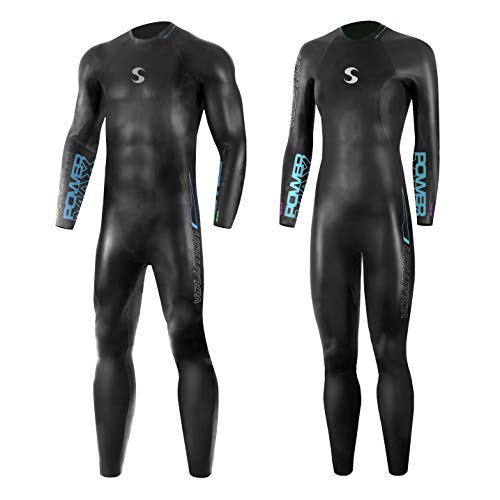
If you’re looking for a wetsuit that caters to all levels of triathletes, the Synergy Triathlon Wetsuit 3/2mm is your go-to choice for 2025. This full-sleeve wetsuit features hydrodynamic neoprene and silicone-coated SyPrene, guaranteeing you glide through open water effortlessly. The 3mm thick core buoyancy panel paired with 2mm legs enhances your performance, allowing you to float higher and swim faster. Plus, the anti-corrode YKK zipper reduces drag, while the low neck design guarantees comfort without compromising flexibility. With a one-year warranty, you can trust the Synergy wetsuit to support you throughout your triathlon journey.
Best For: The Synergy Triathlon Wetsuit 3/2mm is best for triathletes of all levels looking for a high-performance wetsuit for open water swimming.
Pros:
- High buoyancy and flexibility enhance swimming performance.
- Comfortable low neck design reduces chafing and improves movement.
- Durable anti-corrode YKK zipper minimizes drag during swims.
Cons:
- May be too warm for some swimmers in warmer water conditions.
- Limited color options available.
- Requires product registration for warranty validation.
Synergy Triathlon Wetsuit Men’s Endorphin Full Sleeve Neoprene
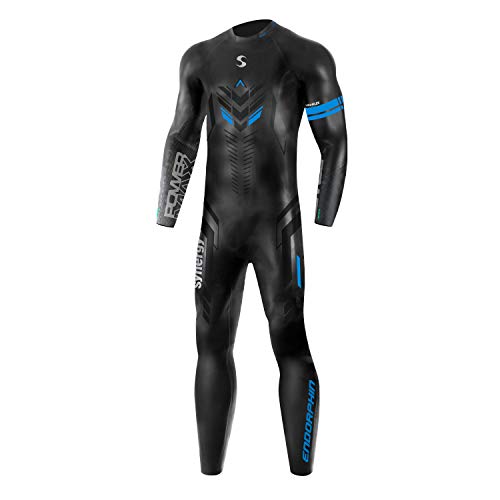
The Synergy Triathlon Wetsuit Men’s Endorphin Full Sleeve Neoprene stands out as the ideal choice for athletes at any level seeking maximum buoyancy and flexibility in open water swimming. Made from high-quality Yamamoto #39 neoprene, this wetsuit features a 5mm thick core for unmatched buoyancy, nearly doubling your floating capability in cold waters. You’ll appreciate the 680% flexibility, allowing for a full range of motion. The YKK anti-corrode zipper reduces drag, while the soft low neck design enhances comfort. Plus, with a 2-year warranty, you can swim confidently, knowing you’ve made a smart investment in your performance.
Best For: Athletes of all levels looking for a high-performance wetsuit that offers maximum buoyancy and flexibility for open water swimming.
Pros:
- Superior buoyancy with a 5mm thick core, enhancing floating capability in cold waters.
- Exceptional flexibility (680%) allows for a full range of motion during swimming.
- Comfortable design with a soft low neck and anti-corrode zipper to reduce drag.
Cons:
- May be pricier compared to entry-level wetsuits.
- Requires product registration for warranty to be valid, which may be inconvenient for some users.
- Limited color options available, which might not appeal to all customers.
Factors to Consider When Choosing Performance Triathlon Suits
When choosing a performance triathlon suit, you’ll want to contemplate several key factors. Suit thickness affects buoyancy and flexibility, while material quality and technology can impact your overall comfort. Don’t overlook design features and zipper functionality, as these can make a significant difference during your race.
Suit Thickness Considerations
Choosing the right thickness for your triathlon wetsuit can greatly impact your performance and comfort during the race. Typically, wetsuit thickness ranges from 2mm to 5mm. If you’re racing in colder waters, a thicker suit (around 5mm) offers maximum buoyancy, helping you conserve energy. For moderate conditions, a 3mm wetsuit strikes an excellent balance between flexibility and buoyancy, preventing overheating. Meanwhile, thinner materials, like 2mm, are often used in the lower legs and arms to guarantee you maintain a natural swimming motion. It’s essential to select the appropriate thickness, as too thick a suit can lead to discomfort, while too thin may not provide enough thermal protection, impacting your overall performance.
Buoyancy and Flexibility
Understanding how buoyancy and flexibility work together can make a significant difference in your triathlon performance. Buoyancy helps you float higher in the water, which reduces drag and increases your speed. A wetsuit with a thicker core buoyancy panel, like 5mm, can nearly double the buoyancy compared to a 3mm suit, making it perfect for cold water swimming. Flexibility is equally important; suits with higher flexibility ratings, such as 680%, provide a full range of motion, enhancing your stroke efficiency. When you combine buoyancy and flexibility, you reduce energy expenditure, allowing you to swim faster with less fatigue. Opt for materials like Yamamoto neoprene, known for their lightweight and stretchy properties, to maximize both buoyancy and flexibility in your suit.
Material Quality and Technology
As you immerse yourself in the world of performance triathlon suits, it’s vital to reflect on the material quality and technology that directly influence your swim. High-grade neoprene is a key component, offering buoyancy and flexibility essential for peak performance. Look for advanced technologies like SCS silicone coatings, which enhance hydrodynamic properties, reducing drag and improving your speed in the water. Pay attention to thickness variations, such as 3mm or 5mm panels, strategically placed to maximize buoyancy while preserving your range of motion. Additionally, anti-corrode zippers made from durable materials guarantee ease of use and longevity. Combining lightweight and flexible materials can notably conserve energy during long swims, empowering you to perform at your best.
Design and Comfort Features
When you’ve got the right material in your triathlon suit, the next step is to focus on design and comfort features that can elevate your performance. A low neck design reduces chafing and enhances fit around your neck, allowing for a more comfortable swim. Look for suits made with smoothskin materials on both sides; they feel great and cut down on water resistance. Flexibility is essential, so choose suits with a high stretch percentage—like 680%—to maximize your range of motion. Pay attention to the neoprene thickness; with 3mm in the lower legs and 5mm in the core, you’ll balance buoyancy and flexibility perfectly. These design elements can make a significant difference in your race experience.
Zipper Quality and Function
A high-quality zipper can make all the difference in your performance triathlon suit. The right zipper reduces drag, enhancing your swim speed considerably. Look for anti-corrode options, like those made by YKK, as they resist saltwater damage—crucial for open water swims. A well-designed zipper guarantees smooth operation, allowing for easy entry and exit, which minimizes changeover times. Pay attention to zipper placement, too; a low neck design with a smoothskin finish helps prevent chafing around your neck. Remember, the reliability of your zipper directly affects your suit’s performance; a malfunction can lead to water ingress, compromising buoyancy and insulation. Choosing wisely will help you maximize your performance on race day.
Fit and Sizing Options
Finding the right fit for your performance triathlon suit is vital for achieving peak performance. A suit that’s too tight can restrict your movement, while one that’s too loose can create unnecessary water drag. Different brands have varying size charts, so it’s important to try on suits or consult fitting guides to guarantee the best fit. Most suits are designed to allow a full range of motion, so opt for flexible materials and appropriate sizing to maintain swim efficiency. Pay special attention to design features like neck fit and sleeve length, as these can greatly impact your comfort and performance in the water. Choosing the correct size not only enhances buoyancy but also assures a more enjoyable experience overall.
Temperature Suitability
Choosing the right triathlon suit involves considering the water temperature you’ll encounter during the race. The thickness of your wetsuit is essential; a 5mm suit is perfect for colder waters, while a 3mm suit suits warmer conditions better. Remember, wetsuits not only provide warmth but also buoyancy, which can enhance your performance. However, thicker suits may restrict your movement, so finding the right balance is key. Be aware of the temperature cutoffs for wetsuit usage in your triathlon, usually around 68°F (20°C), as this will dictate if you can wear one during the event. Additionally, look for wetsuits with smoothskin technology to improve water resistance and heat retention, especially in cooler temperatures.
Warranty and Registration Policies
When investing in a performance triathlon suit, understanding warranty and registration policies can save you headaches down the road. Warranty periods can vary from one year to two years, so check the specifics before purchasing. You’ll often need to register your suit to validate the warranty, ensuring that only you, as the original owner, benefit from it. Keep in mind that warranties typically apply only to new suits bought from authorized sellers, protecting manufacturers against second-hand sales. While warranties cover defects in materials and workmanship, they usually exclude damage from misuse or normal wear and tear. Knowing these details can impact your investment and help you navigate potential repairs or replacements effectively.