Choosing the right heart rate monitor can make training more precise, whether you run, ride, lift, or follow structured workouts.
Below, we focus on the most useful options for accuracy, comfort, battery life, and compatibility so you can quickly find the right fit.
Best 10 Heart Rate Monitor Picks for 2026
Premium Accuracy Chest Strap
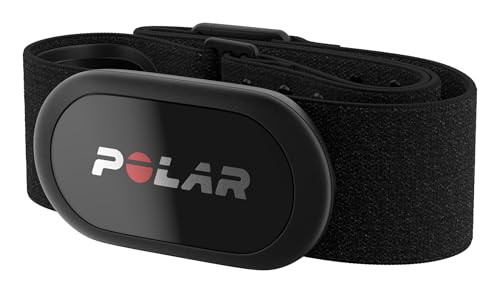
- Most accurate sensor in Polar's history
- Bluetooth, ANT+, and 5 kHz connectivity
- Waterproof with internal memory
Best For: Athletes who want a highly accurate chest strap with wide device compatibility.
Garmin Everyday Training Strap

- Real-time heart rate and HRV data
- Works with Garmin devices and apps
- Up to 1 year battery life
Best For: Garmin users who want a durable chest strap for everyday training.
Budget Long-Life Chest Strap
GEOID HS500 Heart Rate Monitor

- Up to 800 hours of battery life
- ANT+ and Bluetooth compatibility
- IP67 waterproof chest strap
Best For: Budget-minded buyers who want a chest strap with long battery life.
Data-Driven Performance Strap

- Real-time HR and HRV with Garmin integration
- Adds running dynamics and workout recording
- Rechargeable battery lasts up to 2 months
Best For: Performance-focused athletes who want advanced training metrics and Garmin integration.
Dual-Connect Armband
Rechargeable Heart Rate Armband
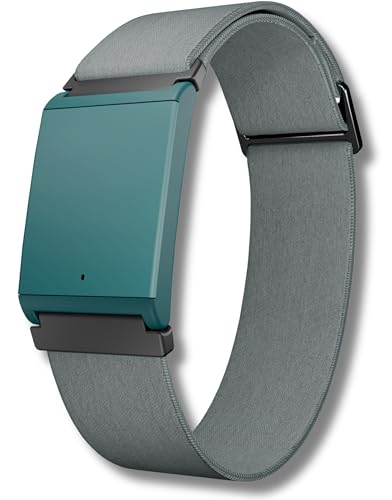
- Auto-wear detection simplifies use
- Bluetooth + ANT+ for broad compatibility
- Lightweight, comfortable armband fit
Best For: training, running, and indoor cycling with multiple devices
Garmin Reliable Strap

- Accurate heart rate and HRV data
- Up to 1 year battery life
- Machine washable strap for easy care
Best For: Garmin users wanting a durable, low-maintenance chest strap
All-in-One Wrist Tracker

- 24/7 heart rate and health tracking
- 120+ sports modes and activity metrics
- Smartwatch extras like notifications and weather
Best For: buyers who want heart rate tracking plus everyday smartwatch features
Chest Strap Training Pick

- Real-time heart rate tracking for training sessions
- Bluetooth and ANT+ work with compatible apps and devices
- IP67 resistance for sweat and rainy workouts
Best For: Runners, cyclists, and indoor training users who want a reliable chest-strap heart rate monitor.
Everyday Smartwatch Choice

- Heart rate and sleep monitoring on the wrist
- 120 sports modes for workouts and daily activity
- Bluetooth calls, music control, and notifications
Best For: Users who want a stylish all-in-one smartwatch with basic heart rate monitoring.
Dual-Connection Chest Strap
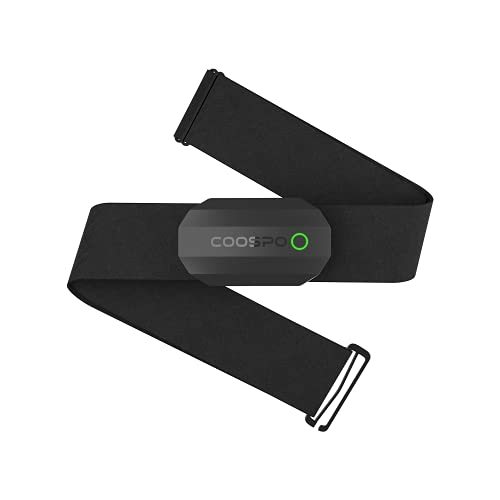
- Bluetooth 4.0 and ANT+ for broad connectivity
- Real-time tracking with ±1 BPM accuracy claim
- Compatible with many fitness apps and devices
Best For: Athletes who want simple chest-strap tracking with wide app compatibility.
Premium Accuracy Chest Strap – Polar H10 Heart Rate Monitor
If you want a heart rate monitor built around accuracy and broad compatibility, the Polar H10 is a strong chest-strap pick. It works with a wide range of HRM-compatible equipment and supports Bluetooth, ANT+, and 5 kHz connections, including simultaneous connections for flexible training setups.
Best For: Athletes who want a highly accurate chest strap with wide device compatibility.
Pros:
- Widely recognized as Polar’s most accurate heart rate sensor
- Supports Bluetooth, ANT+, and 5 kHz connectivity
- Can use Bluetooth and ANT+ at the same time
- Fully waterproof with internal memory for multiple hours
Cons:
- Requires a chest strap, which some users may find less convenient than wrist options
- Uses a CR2025 button cell battery rather than rechargeable power
For buyers focused on precision and device flexibility, the Polar H10 stands out as a dependable heart rate monitor. Its combination of accurate tracking, dual connectivity, and waterproof construction makes it well suited to structured training.
Garmin Everyday Training Strap – HRM 200 Heart Rate Monitor
The Garmin HRM 200 is a practical heart rate monitor for users already invested in Garmin gear. It sends real-time heart rate and heart rate variability data to compatible Garmin smartwatches, cycling computers, fitness equipment, and apps, while offering a comfortable strap in two size options.
Best For: Garmin users who want a durable chest strap for everyday training.
Pros:
- Transmits accurate real-time heart rate and HRV data
- Compatible with Garmin smartwatches, cycling computers, fitness equipment, and apps
- Up to 1 year of battery life with a user-replaceable battery
- Machine washable strap for easier maintenance
Cons:
- Designed around Garmin compatibility, so it is less universal than some alternatives
- Optical sensor type may not be the preferred choice for users who specifically want a traditional chest-strap ECG-style setup
If you want a straightforward Garmin-focused heart rate monitor with low-maintenance ownership, the HRM 200 fits the brief well. Its long battery life, washable strap, and broad Garmin ecosystem support make it a sensible training companion.
Budget Long-Life Chest Strap – GEOID HS500 Heart Rate Monitor
The GEOID HS500 is a value-focused heart rate monitor for people who want long battery life and broad app/device compatibility. It supports ANT+ and Bluetooth connections, uses a chest strap design, and is built to handle training across activities like running, cycling, fitness, and football.
Best For: Budget-minded buyers who want a chest strap with long battery life.
Pros:
- Up to 800 hours of battery life
- Supports ANT+ and Bluetooth compatibility with many devices and apps
- IP67 waterproof rating for durable everyday use
- LED light confirms heart rate and connection status
Cons:
- Swimming is not recommended
- Bluetooth connection should be made through the app you are using, not directly through phone Bluetooth
For shoppers prioritizing runtime and versatility, the HS500 delivers a lot of usefulness for a simple chest strap. Its long battery life and wide compatibility make it a practical pick for regular training sessions.
Data-Driven Performance Strap – Garmin HRM 600
The Garmin HRM 600 is a feature-packed heart rate monitor for athletes who want more than basic pulse tracking. In addition to sending real-time heart rate and HRV data to compatible Garmin devices and apps, it adds running dynamics, indoor pace and distance support, swim data storage, and workout recording when you cannot wear a watch.
Best For: Performance-focused athletes who want advanced training metrics and Garmin integration.
Pros:
- Provides real-time heart rate and HRV data to compatible Garmin devices and apps
- Includes running dynamics such as stride length, vertical oscillation, and ground contact time balance
- Can record workouts when you cannot wear a watch and sync later to Garmin Connect
- Rechargeable battery lasts up to 2 months
Cons:
- Advanced features depend on compatible Garmin devices and apps
- Higher feature set may be more than casual users need
If you want a heart rate monitor that supports serious training analysis, the HRM 600 is the most capable option in this group. Its extra metrics and multi-sport recording features make it especially appealing for data-driven athletes.
Dual-Connect Armband – Rechargeable Heart Rate Armband
If you want a heart rate monitor that stays out of the way, this rechargeable armband is built for training without the chest-strap hassle. It uses an optical sensor, auto-wear detection, and dual Bluetooth ANT+ connectivity to deliver workout data to the apps and devices you already use.
Best For: Athletes who want a lightweight armband for running, indoor cycling, and multi-device training.
Pros:
- Auto-wear detection starts tracking when it touches your skin.
- Dual Bluetooth and ANT+ can connect to up to 3 devices at once.
- Lightweight silicone design is made to stay comfortable during long sessions.
- Compatible with Peloton, Wahoo, Strava, Zwift, Garmin Connect, Apple Health, and more.
Cons:
- It is an armband, so it may not appeal if you prefer a chest strap.
- Compatibility is broad, but setup still depends on the device or app you use.
This is a practical heart rate monitor for people who want flexible connectivity and a low-profile fit. Its long battery life, sweat resistance, and app compatibility make it a strong everyday training option.
Garmin Reliable Strap – Garmin HRM 200
The Garmin HRM 200 is a straightforward heart rate monitor for users who want real-time heart rate and heart rate variability data from a trusted ecosystem. Its machine-washable strap, long battery life, and user-replaceable battery make it a practical choice for regular training.
Best For: Garmin users who want a durable chest strap with HRV tracking and low-maintenance ownership.
Pros:
- Transmits accurate real-time heart rate and HRV data.
- Works with Garmin smartwatches, cycling computers, fitness equipment, and apps.
- Up to 1 year of battery life with a user-replaceable battery.
- Machine washable strap helps make cleanup easy.
Cons:
- Designed around Garmin compatibility, so it is less universal than some alternatives.
- It uses a chest strap design, which some buyers may find less comfortable than an armband.
For athletes already in the Garmin ecosystem, this monitor keeps things simple and dependable. The combination of accurate data, washable materials, and long battery life makes it a solid long-term training accessory.
All-in-One Wrist Tracker – Smart Watch Fitness Tracker
Fitness Tracker with Heart Rate Blood Oxygen Blood Pressure Monitor Sleep Tracker Activity Trackers
Check Price On AmazonThis smart watch packs heart rate monitoring into a broader fitness tracker format, so it suits buyers who want more than just workout readings. Along with 24/7 heart rate tracking, it adds blood oxygen, blood pressure, sleep monitoring, and over 120 sports modes in a wrist-worn design.
Best For: Users who want an affordable-style smartwatch with continuous health tracking and activity features.
Pros:
- 24/7 heart rate, blood oxygen, and blood pressure monitoring.
- Tracks sleep stages, steps, distance, and calories burned.
- 120+ exercise modes cover a wide range of activities.
- Includes notifications, weather, alarms, music control, and more.
Cons:
- It is a smartwatch-style tracker, not a dedicated chest strap or armband sensor.
- Features depend on app and phone compatibility, which is limited to supported Android and iPhone versions.
As a heart rate monitor, this is best viewed as a multi-feature wearable rather than a pure training sensor. If you want wrist-based health tracking plus everyday smartwatch conveniences, it offers a lot in one device.
Chest Strap Training Pick – COOSPO H6M Bluetooth/ANT+ HRM
If you want a straightforward heart rate monitor for structured training, the COOSPO H6M chest strap is built to deliver real-time data during runs, rides, gym sessions, and interval work. Its Bluetooth and ANT+ support makes it easy to connect to compatible phones, GPS watches, bike computers, and supported fitness apps.
Best For: Runners, cyclists, and indoor training users who want chest-strap accuracy with broad app/device compatibility.
Pros:
- Bluetooth and ANT+ connectivity for a wide range of compatible devices
- Real-time heart rate tracking for steady efforts, intervals, and recovery
- Soft adjustable strap and compact sensor for more comfortable daily wear
- IP67 resistance helps with sweat and rainy outdoor sessions
Cons:
- Not intended for swimming or prolonged soaking
- Requires moistening the electrodes and proper strap placement before use
- Works best with compatible apps or receiving devices, not standalone use
This is a practical heart rate monitor for athletes who want dependable zone tracking without extra features. If your priority is training data you can use across multiple platforms, the H6M keeps things focused and simple.
Everyday Smartwatch Choice – TK29 120-Sport HR Watch
If you want a heart rate monitor that lives on your wrist, this TK29 smartwatch combines basic health tracking with everyday smartwatch features. It adds heart rate and sleep monitoring, plus 120 sports modes, so it can cover workouts, daily wear, and notification use in one device.
Best For: Buyers who want a stylish smartwatch with built-in heart rate tracking for general fitness and daily convenience.
Pros:
- Heart rate and sleep monitoring in a wrist-worn design
- 120 sports modes for activities like walking, running, cycling, and swimming
- IP67 waterproof rating for sweat, splashes, and brief submersion
- Bluetooth call, music control, and app notifications for everyday use
Cons:
- Not as specialized for training as a dedicated chest strap heart rate monitor
- Step recording starts after exceeding 20 steps, according to the notes
- Health tracking is presented as broad wellness monitoring rather than advanced sports analysis
This is a versatile pick if you want a single wearable that handles fitness basics and phone-connected features. For users who value convenience and style as much as heart rate tracking, it offers a balanced all-in-one approach.
Dual-Connection Chest Strap – COOSPO H808S HR Monitor
For buyers comparing a heart rate monitor chest strap, the COOSPO H808S stands out for its dual Bluetooth and ANT+ transmission and its focus on exercise data. It is designed to provide real-time heart rate readings for training, with compatibility across popular fitness apps, watches, bike computers, and platforms like Zwift and Strava.
Best For: Athletes who want a budget-friendly chest strap with broad compatibility and simple workout tracking.
Pros:
- Bluetooth 4.0 and ANT+ support for multi-device compatibility
- Real-time heart rate monitoring with ±1 BPM accuracy claim
- Works with many third-party apps and devices, including Peloton, Zwift, and Wahoo Fitness
- LED indicator and beep reminder help show connection status
Cons:
- Requires moistening the electrode zones before use
- Phone pairing is meant to happen through the app, not directly in Bluetooth settings
- Strap replacement is recommended after repeated washing or extended use
The H808S is a no-frills heart rate monitor built around compatibility and easy workout use. If you mainly need dependable chest-strap tracking across apps and training devices, it covers the essentials well.
How We Picked These Heart Rate Monitors
We looked for models that balance accuracy, device compatibility, durability, and everyday comfort. Chest straps remain the top choice for most athletes because they tend to deliver the most consistent readings, while armbands and smartwatch-style trackers offer easier wear for casual use and all-day monitoring.
We also prioritized battery life, waterproof ratings, Bluetooth and ANT+ support, and how well each option works with popular training platforms and fitness apps.
Quick Comparison
If you want the most precise workout data, a chest strap is usually the best choice. If comfort matters more than absolute accuracy, an optical armband can be a smart middle ground. For people who want general wellness tracking and fewer accessories, a smartwatch may be enough, but it is usually less reliable during high-intensity interval training.
Key Buying Factors for a Heart Rate Monitor
Accuracy and Sensor Type
For running, cycling, and interval sessions, look for a chest-strap Heart Rate Monitor with strong signal stability. Optical armbands are more comfortable, but they can lag during rapid effort changes.
Connectivity
Bluetooth is essential for phones and many fitness apps, while ANT+ is helpful if you train with cycling computers, gym equipment, or multiple devices. If you use both, dual-band support is worth it.
Comfort and Fit
Chest straps should have a secure but not restrictive fit, and adjustable sizing matters if more than one person will use the same device. Armbands are easier to wear for long sessions and can be a better option for those who dislike chest straps.
Battery Life and Waterproofing
Long battery life is especially useful if you train often or forget to charge frequently. Water resistance also matters for sweat-heavy workouts, outdoor conditions, and occasional rain.
App and Device Compatibility
Check that the Heart Rate Monitor works with your preferred platform, whether that is Peloton, Zwift, Wahoo, Strava, Garmin devices, or a fitness app on your phone.
Who Should Buy Which Heart Rate Monitor?
Choose a chest strap if you want the most accurate training data for endurance work, intervals, or indoor cycling.
Choose an armband if comfort is your priority and you still want better workout tracking than a wrist-only sensor usually provides.
Choose a smartwatch-style tracker if you want one device for general health stats, daily activity, and light-to-moderate exercise.
For most serious athletes, a dedicated Heart Rate Monitor with chest-based sensing is still the best place to start.