Choosing the right fitness tracker is about more than step counts. The best models balance comfort, battery life, sleep insights, workout tracking, and the features you will actually use every day.
In this roundup, we focus on standout options for casual users, serious athletes, and anyone who wants a simple, reliable way to stay on top of health goals.
Best 10 Fitness Trackers Picks for 2026
Daily Wellness Pick

- 24/7 heart rate, sleep, stress, and SpO2 tracking
- Daily Readiness Score plus 40+ exercise modes
- Up to 10-day battery life
Best For: everyday wellness tracking with a simple, lightweight design
Performance & Recovery Focus

- Screenless tracker with 24/7 heart rate and stress monitoring
- WHOOP AI analyzes 140+ metrics for coaching
- 14+ day battery life with wireless PowerPack
Best For: athletes and recovery-focused users who want subscription-based coaching
Feature-Packed Fitness Choice

- Built-in GPS with 40+ exercise modes and auto tracking
- Tracks heart rate, sleep, stress, SpO2, and Daily Readiness
- Adds Google Maps and Google Wallet support
Best For: buyers who want a compact tracker with useful connected features
Android AMOLED Upgrade

- 1.6-inch AMOLED display for easy viewing
- Up to 14 days of battery life
- 101+ workout modes with auto detection
Best For: Android users who want a big-screen tracker with long battery life
Screenless Comfort Tracker

- Screenless, discreet design
- Up to 7 days battery life
- Tracks HR, SpO2, and skin temp
Best For: discreet all-day wear and sleep tracking
Balanced AMOLED Trainer

- Bright AMOLED display
- Built-in GPS and 30+ sports apps
- Up to 11 days battery life
Best For: training-focused users who want advanced health tracking
Long-Battery AMOLED Band
Xiaomi Smart Band 10 Midnight Black

- 1.72-inch AMOLED display
- Up to 21 days battery life
- Tracks HR, SpO2, sleep, and sports
Best For: buyers wanting a bright screen and very long battery life
Performance-First Recovery Tracker
WHOOP 5.0/MG 12-Month Membership
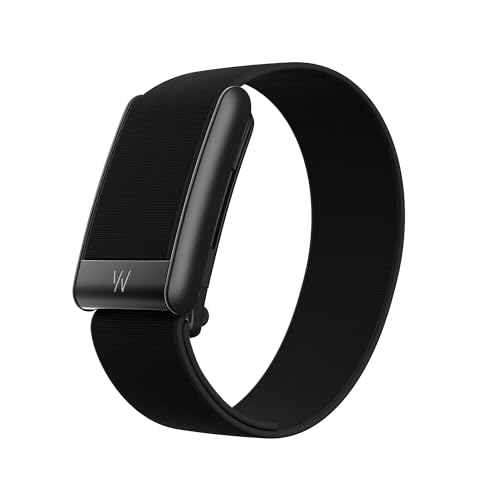
- Screenless design with 14+ day battery life
- Tracks sleep, strain, recovery, VO2 max, and heart rate
- Includes WHOOP AI coaching and habit journaling
Best For: athletes and recovery-focused users who want continuous coaching
Feature-Packed Budget Smartwatch
120-Sport Fitness Tracker Watch

- 1.58-inch color display with touch controls
- 24/7 heart rate, blood oxygen, blood pressure, and sleep tracking
- 120+ sports modes plus notifications and reminders
Best For: users wanting a versatile smartwatch-style tracker with lots of extras
Compact AMOLED Step Tracker
1.10" Waterproof Fitness Watch

- 1.10-inch AMOLED display with custom watch faces
- 24/7 heart-rate and sleep tracking with HRV insights
- IP68 water resistance and up to 7 days battery life
Best For: users wanting a compact waterproof tracker for daily basics
Daily Wellness Pick – Fitbit Inspire 3
If you want a lightweight fitness tracker that focuses on the basics without feeling overwhelming, the Fitbit Inspire 3 is a practical option. It covers all-day activity, heart rate, sleep, and stress tracking, with tools like Daily Readiness Score and reminders to move to help you stay consistent.
Best For: Everyday users who want a simple, health-focused tracker for activity, sleep, and stress.
Pros:
- Tracks 24/7 heart rate, sleep, stress, SpO2, and menstrual health.
- Includes Daily Readiness Score, Active Zone Minutes, and 40+ exercise modes.
- Offers automatic exercise tracking and reminders to move.
- Up to 10-day battery life helps reduce charging frequency.
Cons:
- Uses GPS via smartphone rather than built-in GPS.
- Small 0.76-inch display may feel limited if you want a larger screen.
Overall, the Inspire 3 is a straightforward pick among fitness trackers if you value wellness tracking and long battery life over advanced smartwatch features.
Performance & Recovery Focus – WHOOP 5.0
The WHOOP 5.0 is a screenless fitness tracker built for people who want constant health insight instead of smartwatch-style distractions. With 24/7 heart rate monitoring, sleep and recovery coaching, and a 14+ day battery life, it is designed to stay on through training, rest, and daily routines.
Best For: Athletes and data-driven users who want deep recovery, strain, and habit insights.
Pros:
- Screenless design keeps it distraction-free and comfortable for all-day wear.
- Tracks sleep, strain, recovery, VO2 max, menstrual cycle, and heart rate insights.
- Includes WHOOP AI guidance based on 140+ metrics.
- Battery life lasts up to 14+ days and includes a waterproof Wireless PowerPack.
Cons:
- Requires a 12-month membership, so it is not a one-time hardware purchase.
- No screen or notification features for users who want on-device feedback.
WHOOP stands out when your priority is performance coaching and recovery analysis rather than a display packed with features. It is best suited to users who will actually use the subscription-driven insights.
Feature-Packed Fitness Choice – Fitbit Charge 6
The Fitbit Charge 6 is a strong middle ground for shoppers comparing fitness trackers with more built-in convenience. It adds built-in GPS, real-time heart rate on compatible exercise machines, Google Maps directions, and Google Wallet, while still covering the core health metrics most people care about.
Best For: Users who want a compact tracker with GPS, connected features, and broad workout tracking.
Pros:
- Built-in GPS plus 40+ exercise modes and automatic exercise tracking.
- Tracks heart rate, sleep, stress, SpO2, and Daily Readiness.
- Includes Google Maps directions and Google Wallet tap-to-pay.
- Can show real-time heart rate on compatible exercise machines.
Cons:
- Battery life is rated at about 7 days, shorter than some rivals.
- Some premium coaching features require a separate Google Health Premium membership.
If you want a more connected tracker without jumping to a full smartwatch, the Charge 6 is an easy fit. It combines practical fitness tools with a few extras that make daily use simpler.
Android AMOLED Upgrade – Samsung Galaxy Fit 3
The Samsung Galaxy Fit 3 is aimed at Android users who want a larger display and long battery life in a straightforward fitness tracker. Its 1.6-inch AMOLED screen, 100+ workout modes, and health tracking features make it easy to follow workouts and daily stats at a glance.
Best For: Android users who want an affordable-looking tracker with a big screen and long battery life.
Pros:
- Large 1.6-inch AMOLED display makes menus and stats easy to read.
- Up to 14 days of battery life supports long stretches between charges.
- Includes 101+ workout modes with auto detection.
- Tracks sleep, SpO2, heart rate, and snore detection.
Cons:
- Only compatible with Android devices, not iPhone or iOS.
- No GPS built in, so outdoor route tracking is limited.
- International model has no warranty in the US.
For Android owners, the Galaxy Fit 3 delivers a bright screen and long runtime without complicating the experience. It is a good fit if you want broad workout support and basic health monitoring in a slim band-style device.
Screenless Comfort Tracker – Fitbit Air Obsidian
If you want fitness trackers that stay out of the way, the Fitbit Air is built around comfort, simplicity, and background health tracking. Its screenless design keeps distractions low while still delivering 24/7 activity and wellness data through Google Health, with adaptive coaching available through Google Health Premium.
Best For: People who want a discreet, screen-free tracker for all-day and overnight wear.
Pros:
- Lightweight, micro-adjustable fit designed for work, workouts, and sleep
- No display to distract you or clash with your style
- Up to 7 days of battery life, plus fast charging for a day of power in 5 minutes
- Tracks heart rate, SpO2, skin temperature variation, and motion data
Cons:
- GPS is smartphone-based rather than built in
- Advanced coaching requires a separate premium membership
Overall, this is a strong pick if you value wearability and quiet health tracking over smartwatch-style features. It fits naturally into daily routines and gives you the essentials without adding screen clutter.
Balanced AMOLED Trainer – Garmin vívoactive 5 Black
The Garmin vívoactive 5 is one of the more versatile fitness trackers for people who want a full-featured smartwatch with serious health and training tools. Its bright AMOLED display, built-in GPS, and wide activity support make it a practical choice for everyday wear, workouts, and recovery tracking.
Best For: Users who want a feature-rich fitness smartwatch with strong health insights and built-in GPS.
Pros:
- Bright AMOLED display with up to 11 days of battery life
- Built-in GPS and more than 30 indoor and outdoor sports apps
- Body Battery, sleep score, nap detection, and recovery insights
- Music storage and wireless headphone support for phone-free workouts
Cons:
- More of a smartwatch than a slim band-style tracker
- Feature depth may be more than casual users need
This model stands out if you want fitness tracking that goes beyond step counts and heart rate. It combines training tools, health monitoring, and everyday smartwatch convenience in a single device.
Long-Battery AMOLED Band – Xiaomi Smart Band 10 Midnight Black
The Xiaomi Smart Band 10 is aimed at shoppers who want a lighter, longer-lasting option among fitness trackers without giving up a large display. It pairs a 1.72-inch AMOLED screen with multi-sport tracking, sleep monitoring, and a battery life rating that stretches far beyond a typical weekly charge cycle.
Best For: Buyers who want a budget-friendly activity band with long battery life and a big AMOLED screen.
Pros:
- Large 1.72-inch AMOLED display with 1500 nits brightness
- Up to 21 days of battery life and fast charging
- Tracks heart rate, blood oxygen, sleep stages, and multi-sport activity
- 5ATM water resistance and swimming-focused tracking features
Cons:
- No built-in GPS listed
- Xiaomi Fit app support is metric-focused
For users who prioritize endurance and a bright, easy-to-read screen, this is an easy band to consider. It delivers the core features most people want from fitness trackers while keeping charging frequency low.
Performance-First Recovery Tracker – WHOOP 5.0/MG 12-Month Membership
If you want fitness trackers that focus less on screen time and more on recovery, WHOOP 5.0 is built for that style of use. It delivers continuous health and performance insights, plus a membership-based app experience that helps you track sleep, strain, recovery, and daily habits around the clock.
Best For: athletes and data-driven users who want screenless, 24/7 recovery and performance coaching.
Pros:
- Screenless design with no buzzing notifications and 14+ day battery life
- Tracks heart rate continuously plus sleep, strain, recovery, VO2 max, and menstrual cycle insights
- Includes WHOOP AI guidance, habit journaling, and stress monitoring
- HSA/FSA eligible membership and battery packs
Cons:
- Requires a 12-month membership
- No display for quick on-wrist stats
- Less suited to users who want a traditional smartwatch interface
Overall, WHOOP is a strong pick if your priority is training insight and recovery management rather than smartwatch extras. It stands out among fitness trackers for users who want personalized coaching and deep health tracking in a distraction-free wearable.
Feature-Packed Budget Smartwatch – 120-Sport Fitness Tracker Watch
Fitness Tracker with Heart Rate Blood Oxygen Blood Pressure Monitor Sleep Tracker Activity Trackers
Check Price On AmazonThis option fits the common wish list for fitness trackers: heart-rate monitoring, sleep tracking, workout modes, and smartphone notifications in one affordable smartwatch style. It adds a large color display, GPS connectivity through your phone, and a long list of everyday tools to keep your routine organized.
Best For: users who want a versatile, everyday fitness watch with lots of features and broad compatibility.
Pros:
- 1.58-inch high-resolution display with touch controls and side button
- 24/7 heart rate, blood oxygen, blood pressure, and sleep monitoring
- 120+ sports modes plus steps, distance, and calorie tracking
- Notifications, call alerts, weather, reminders, music control, and more
Cons:
- GPS depends on connecting to your phone
- Blood pressure and similar readings are for general monitoring, not medical use
- More feature-heavy than focused training trackers
As a value-packed everyday wearable, it covers a lot of ground for casual fitness use. If you want one of the more versatile fitness trackers without moving into premium pricing, this model offers plenty of convenience features.
Compact AMOLED Step Tracker – 1.10" Waterproof Fitness Watch
For shoppers comparing fitness trackers that stay simple but still cover the basics well, this model is a practical middle ground. It combines a compact AMOLED screen, continuous heart-rate tracking, sleep monitoring, and 25 sports modes with everyday convenience features like reminders and phone notifications.
Best For: users who want a small, waterproof fitness watch for daily health tracking and exercise basics.
Pros:
- 1.10-inch AMOLED touch display with custom watch faces
- 24/7 heart-rate tracking, sleep tracking, and HRV/breathing-rate insights
- 25 sports modes with connected GPS route recording through your phone
- IP68 water resistance and up to 7 days of battery life
Cons:
- Data is for reference only and does not replace medical advice
- GPS works via smartphone connection
- Fewer sports modes than some larger-feature watches
This is a solid choice if you want an affordable, compact tracker that handles the essentials without feeling oversized. Among fitness trackers in this range, it’s appealing for people who value a smaller screen, water resistance, and straightforward health metrics.
How We Picked the Best Fitness Trackers
We prioritized comfort, accuracy, battery life, app experience, display quality, and the usefulness of health metrics. We also looked for models that fit different routines, from basic daily tracking to more advanced training and recovery tools.
Quick Comparison
Not every tracker needs the same feature set. Some Fitness Trackers are best for minimalists who want light wear and long battery life, while others are better for users who want GPS, detailed coaching, or broader smartwatch functionality.
Key Buying Factors for Fitness Trackers
Comfort and Wearability
If you plan to wear it all day and night, prioritize a lightweight design, secure fit, and a band that feels comfortable during sleep and workouts.
Battery Life
Longer battery life means less charging and more consistent data. This matters most for sleep tracking, multi-day training, and users who dislike frequent top-ups.
Health and Workout Features
Decide which metrics matter most. Common features include heart rate, sleep tracking, blood oxygen, stress estimates, workout modes, GPS, and recovery guidance. The best Fitness Trackers make those stats easy to understand, not just easy to collect.
App and Subscription Value
Some models work well out of the box, while others rely on paid memberships for deeper insights. Consider the full cost over time, especially if personalized coaching or advanced trends are important to you.
Display and Controls
A bright AMOLED screen is helpful outdoors, but screenless or simpler designs can appeal to people who want fewer distractions and longer battery life.
Who Should Buy Which Fitness Trackers?
If you want a straightforward tracker for daily health habits, look for a lightweight, affordable model with strong basics. If you train regularly, choose one with better workout tracking, GPS, and recovery tools. If sleep and recovery are your top priorities, the more advanced Fitness Trackers with coaching and detailed wellness insights are worth a look. For users who want a blend of tracking and smartwatch convenience, a larger display and app support may be the best fit.
In short, the best choice depends on whether you value simplicity, battery life, training data, or guided health insights most.