When you run trails, conditions can change fast. A compact emergency blanket can add a critical layer of warmth without taking up much space in your vest or pack.
This roundup of emergency blankets for trail running focuses on portable options that are easy to carry, simple to deploy, and practical for cold, wet, or unexpected stop-and-wait situations.
Best 10 Emergency Blankets for Trail Running Picks for 2026
Compact Backup
Compact 4-Pack for Trail Carry

- Ultra-compact and lightweight for packs
- Reflects heat and blocks rain or moisture
- Includes 4 blankets plus a bonus space blanket
Best For: Trail runners who want a tiny, easy-to-pack backup
Full-Coverage Choice
Ultralight Bivy for Full Coverage

- 6-ounce emergency sleeping bag design
- Waterproof and windproof for bad weather
- Reusable and packs into a stuff sack
Best For: Runners who want a full-coverage emergency layer
Multi-Pack Value
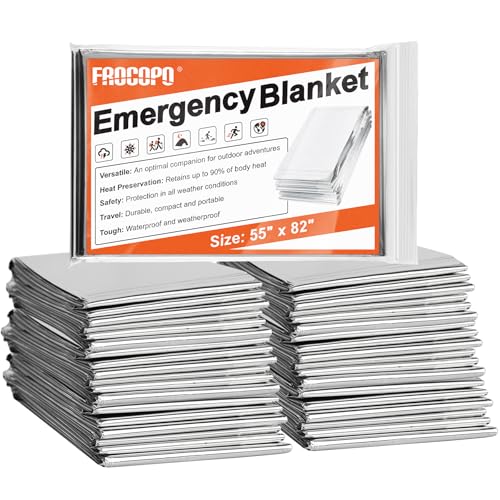
- Six blankets for staged or shared use
- Credit-card-size fold and about 2 ounces each
- Windproof, waterproof, and heat retaining
Best For: Runners and trail groups who want multiple backups
Extra Coverage
Reusable 4-Pack with Larger Coverage

- Larger 84 x 52 inch blanket size
- Reusable and stored in protective zip bags
- Useful for warmth, signaling, or shelter
Best For: Taller runners or anyone wanting extra coverage
Trail-Ready Backup
Extra Large & Extra Thick Space Blankets

- 83" x 63" size for broader coverage
- 26-micron thickness for extra tear resistance
- Includes whistle and carabiner for safety
Best For: trail runners who want a larger, thicker emergency backup
Bulk Race Kit Pick
Pack of 25 Foil Thermal Blankets

- 25-pack suits events and team kits
- 82" x 63" size with compact storage
- 12-micron mylar reflects or retains up to 90% heat
Best For: race organizers, crews, or group emergency kits
Compact Solo Carry
4-Pack Mylar Emergency Blankets

- Folds to about 5" x 3" for easy carry
- 82" x 62" size with reflective thermal protection
- Waterproof and windproof for trail conditions
Best For: solo trail runners or small teams needing compact backup
Bulk Backup Pack
Heavy-Duty 6-Pack Mylar Thermal Blankets

- 6 blankets for backups or group use
- 82" x 52" coverage with reflective Mylar
- Windproof and water-resistant trail protection
Best For: trail runners building a shared or repeated-use safety kit
Compact Sealed Pack
Sealed 4-Pack Mylar Blankets for Trail Use

- Individually folded and sealed
- Waterproof, windproof emergency coverage
- Large 84" x 55" unfolded size
Best For: trail runners who want compact, ready-to-grab backups
Reusable Safety Pick
Lightweight Reusable 4-Pack Mylar Blankets

- Retains up to 90% of body heat
- Compact and easy to stash in packs
- Tear-resistant and reusable for emergencies
Best For: trail runners wanting a compact, reusable cold-weather backup
Compact Backup – Compact 4-Pack for Trail Carry
If you want emergency blankets for trail running that stay out of the way until you need them, this Swiss Safe 4-pack is built around low bulk and fast deployment. Each blanket is ultra-compact, lightweight, and designed to reflect and retain heat while also blocking rain and moisture.
Best For: Trail runners who want a tiny, easy-to-pack backup for cold, wet, or unexpected stops.
Pros:
- Compact enough for a pack, go-bag, or vehicle kit.
- Reflective Mylar design is made to retain heat and block moisture.
- Lightweight but described as durable and hard to rip.
- Includes a bonus smaller space blanket for even easier carry.
Cons:
- Basic blanket format, so it is not as enclosed as a bivy-style option.
- Hand wash only care limits convenience.
- Best suited to emergency use rather than primary warmth.
For trail running, this is a straightforward pick if your priority is packability and simple emergency heat retention. It gives you multiple blankets to distribute across gear bags or share with a running partner.
Full-Coverage Choice – Ultralight Bivy for Full Coverage
Among emergency blankets for trail running, this Sierra Madre bivy-style sleeping bag stands out if you want more coverage than a flat sheet. It is designed to reflect body heat, block wind and water, and pack down small enough for a running pack or emergency kit.
Best For: Runners who want a full-coverage emergency layer with more protection than a standard blanket.
Pros:
- Ultralight at 6 ounces and easy to stash.
- Bivy shape gives full-body coverage.
- Waterproof and windproof for rough conditions.
- Reusable and stored in a drawstring stuff sack.
Cons:
- Bulkier than a flat mylar blanket in form, even if still compact.
- Made for one person only.
- More specialized than a simple carry-anywhere blanket.
If you run long trails in changing weather, the enclosed design makes this a practical emergency choice. It is a good fit when you want warmth retention plus more complete shelter-like coverage.
Multi-Pack Value – Ultra-Compact Six-Pack
If you want emergency blankets for trail running in a larger quantity, this Frocopo 6-pack is easy to distribute across packs, cars, and group gear. Each blanket is individually folded to a credit-card size and is built to help conserve body heat while offering windproof and waterproof protection.
Best For: Runners, trail groups, and families who want multiple ultra-light backups.
Pros:
- Six blankets in one pack for shared or staged use.
- Each blanket is very compact and about 2 ounces.
- Designed to be windproof, waterproof, and heat retaining.
- Multipurpose enough to use as a poncho, shelter, or cover.
Cons:
- Individual blankets are still basic foil-style emergency gear.
- Not as enclosed as a sleeping-bag style option.
- Best for emergency backup, not ongoing warmth.
This is a practical bulk option if you want to keep several emergency kits ready without adding much weight. For trail running, the tiny packed size is the biggest advantage.
Extra Coverage – Reusable 4-Pack with Larger Coverage
For trail runners who want emergency blankets for trail running with a little more coverage, this 4-pack uses a larger 84 x 52 inch size. The Mylar thermal design is meant to retain body heat in cold, snow, and wind while still staying easy to tuck into a pack or pocket.
Best For: Taller runners or anyone who wants extra coverage in a cold-weather emergency.
Pros:
- Larger size helps cover more of the body.
- Packable enough for backpacks, jackets, and emergency kits.
- Reusable design with protective zip bags included.
- Can also be used as a signal mirror or temporary shelter material.
Cons:
- Heavier-duty than some ultra-minimal options, so not the smallest carry.
- Still a basic emergency blanket rather than a fully enclosed bivy.
- Hand wash only care applies.
This is a solid choice if body coverage matters more than absolute minimum size. The larger dimensions make it a good emergency layer for colder trail conditions and longer runners.
Trail-Ready Backup – Extra Large & Extra Thick Space Blankets
If you want emergency blankets for trail running, this 2-pack or 4-pack is built for riders, runners, and hikers who want a larger, tougher backup in the pack. At 83" x 63" and 26-micron thick, it emphasizes heat retention, tear resistance, and easy carry when weather turns fast on the trail.
Best For: Trail runners who want a larger, thicker emergency blanket with added carry accessories.
Pros:
- Extra-large 83" x 63" size gives more coverage than many standard space blankets.
- 26-micron thickness is designed for added tear resistance and durability.
- Reflects over 90% of body heat for warmth in harsh conditions.
- Includes a whistle and carabiner for added safety and easy attachment to gear.
Cons:
- Heavier-duty build may be more than some ultralight trail runners want.
- Sold as a pack, so it may be more blanket than a solo runner needs at once.
For trail running, this is a practical choice if you care more about coverage and durability than shaving every gram. The included whistle and carabiner are useful extras, and the blanket still packs down small enough for a run pack or emergency kit.
Bulk Race Kit Pick – Pack of 25 Foil Thermal Blankets
For emergency blankets for trail running events, this 25-pack makes sense when you need low-cost coverage for a group, aid station, or race kit. Each blanket is 82" x 63", folds into a compact package, and is designed to reflect or retain up to 90% of body heat.
Best For: Race organizers, crews, or runners who want a bulk supply for trail events and emergency kits.
Pros:
- Large 25-pack is useful for events, teams, or stocked first-aid kits.
- 82" x 63" size offers full-body coverage for most adults.
- 12-micron aluminized mylar reflects or retains up to 90% of body heat.
- Waterproof, windproof, and moisture-proof for variable outdoor conditions.
Cons:
- Bulk pack is unnecessary for solo runners or minimalist carry.
- 12-micron thickness is less robust than thicker emergency blanket options.
This is a strong value pick if you are buying for a trail event rather than a single runner. The tradeoff is simplicity over toughness, but the compact size and broad weather protection make it easy to stash in race support gear.
Compact Solo Carry – 4-Pack Mylar Emergency Blankets
When you need emergency blankets for trail running, this 4-pack is a simple compact option for personal carry or small-group backup. Each blanket is 82" x 62" and folds down to about 5" x 3", so it fits easily into a pocket, pack, or first-aid pouch.
Best For: Solo trail runners or small teams who want a lightweight, easy-to-pack emergency blanket.
Pros:
- Compact folded size makes it easy to stash in a running pack or pocket.
- Reflects up to 90% of body heat to help reduce hypothermia risk.
- Waterproof and windproof design suits changing trail weather.
- Versatile enough for ground cover, shelter, poncho use, or signaling.
Cons:
- Sold as a 4-pack, which may be more than one runner needs for daily carry.
- Product notes recommend keeping it dry and storing it carefully, so it is not a rugged reusable gear item.
For trail runners who value space-saving gear, this is the most straightforward carry option in the group. It balances small packed size with standard emergency coverage, making it a sensible add-on for run packs and car kits alike.
Bulk Backup Pack – Heavy-Duty 6-Pack Mylar Thermal Blankets
For emergency blankets for trail running, this 6-pack is a practical pick if you want lightweight warmth in a packable format. Each aluminized Mylar blanket is designed to reflect heat, resist wind and water, and unfold to a larger 82″ x 52″ size for emergency use on exposed trails or cold-weather stops.
Best For: Trail runners who want a bulk backup set for races, training kits, or group safety gear.
Pros:
- Large 82″ x 52″ size gives more coverage than many standard space blankets.
- Lightweight, windproof, and water-resistant for trail conditions.
- 6-pack format works well for repeat use, race crews, or shared gear.
- Can also serve as a shelter, tarp, or emergency warming layer.
Cons:
- Hand wash only care may not matter for single-use emergencies, but adds little convenience.
- Bulk pack is more than some solo runners need.
This is a solid choice if your priority is having multiple emergency blankets on hand rather than a single ultralight option. It suits runners building a broader safety kit for cold, wet, or windy trail days.
Compact Sealed Pack – Sealed 4-Pack Mylar Blankets for Trail Use
For emergency blankets for trail running, this 4-pack stands out for compact storage and all-weather utility. Each blanket is individually folded, wrapped, and sealed, and the Mylar build is designed to help retain heat, block rain and snow, and work as a quick barrier in changing conditions.
Best For: Trail runners who want sealed, compact backups for race bags, emergency kits, or long training runs.
Pros:
- Individually folded and sealed for easy storage and fast access.
- Waterproof and windproof for wet, exposed trail use.
- Can also double as ground cover, shade, or an emergency shelter aid.
- Large 84″ x 55″ size offers broad coverage when unfolded.
Cons:
- Polyethylene/Mylar construction is geared to emergencies, not comfort.
- Orange color may be less discreet than silver options.
This pack makes sense if you want a simple, stowable safety item that’s easy to hand to a partner or keep in a drop bag. Its sealed packaging is especially useful when you want blankets that stay clean and ready.
Reusable Safety Pick – Lightweight Reusable 4-Pack Mylar Blankets
If you’re comparing emergency blankets for trail running, this 4-pack is built around lightweight carry and reusable utility. The aluminized Mylar design is meant to retain up to 90% of body heat, while the tear-resistant material and compact folded size make it easy to stash in a vest, pack, or vehicle kit.
Best For: Trail runners who want a lightweight, reusable emergency layer for cold or wet outings.
Pros:
- Designed to retain up to 90% of body heat.
- Compact folded size is easy to store in trail packs or emergency kits.
- Tear-resistant and reusable for multiple emergency uses.
- Useful as a ground cover, shelter aid, or hypothermia-prevention layer.
Cons:
- Hand wash only care is basic, not convenient for frequent cleanup.
- Pack of four may still be more than a solo runner needs for one outing.
This option is a strong all-around pick if you want one of the more versatile safety tools in a compact format. It fits trail runners who value repeatable use and practical emergency coverage over extras.
How We Picked the Best Emergency Blankets for Trail Running
We looked for Emergency Blankets for Trail Running that are easy to stash, light enough for race vests and running packs, and useful when pace drops or weather turns. Priority went to compact folded size, reliable heat reflection, reasonable durability, and simple use in the field. We also favored multipacks and versatile formats because runners often want one for their vest, one for the car, and spares for training partners.
Quick Comparison
For trail runners, the best choice usually comes down to three tradeoffs: smallest packed size, strongest insulation, or most rugged construction. Standard Mylar blankets are the lightest and most compact. Thicker versions can feel more reassuring in wind and rain but may take a little more space. Bivy-style emergency covers add more coverage and better protection if you expect to stop for longer.
Key Buying Factors for Emergency Blankets for Trail Running
Packability
In trail running, every ounce matters. Look for blankets that fold down small enough to fit in a hydration vest pocket or first-aid pouch.
Coverage and Shape
Rectangular blankets are versatile, but bivy sacks and oversized designs can trap heat better if you need to wait for help or deal with a sudden chill.
Material Thickness
Thicker Mylar can resist tearing better, while ultra-thin options save space. If you run in rocky or windy terrain, extra durability may be worth a slight size tradeoff.
Visibility and Versatility
Reflective surfaces can improve visibility in low light. Many runners also use these as wind barriers, ground covers, or makeshift insulation inside an emergency kit.
Who Should Buy Which Emergency Blankets for Trail Running?
If you want the lightest possible backup for short runs, choose a basic compact blanket. If you run remote trails, race in shoulder seasons, or often train in wet, cold weather, a thicker or oversized option makes more sense. If you want maximum protection for an unexpected overnight or injury stop, consider a bivy-style emergency cover. For most runners, the best setup is one blanket in the vest and a few extras in the car or home kit.
In short, the right Emergency Blankets for Trail Running are the ones you will actually carry every time you head out. Keep it small, simple, and ready to deploy when the weather shifts.