Runners need first aid that stays light, packable, and ready for the most common problems on the move: blisters, scrapes, chafing, and minor cuts. The best kits are small enough to carry without slowing you down, but complete enough to handle a race, training run, or trail emergency.
Below, we focus on compact first aid kits for runners that balance size, weight, durability, and real-world usefulness so you can choose the right kit for your route and pace.
Best 10 Compact First Aid Kits for Runners Picks for 2026
Everyday Travel Pick
BAND-AID Travel Ready Mini Kit

- 80-piece compact kit with bandages, wipes, gauze, cream, and caplets
- Portable case fits bags, cars, dorms, and travel
- Trusted BAND-AID, NEOSPORIN, and TYLENOL items
Best For: Runners wanting a compact all-purpose first aid kit
Blister-Focused Runner Kit
Advanced Blister Kit for Sport

- 18-piece kit built for running, hiking, and other active use
- Includes toe sleeves, anti-friction patches, and blister plasters
- Compact pouch with belt and carabiner loop
Best For: Runners prioritizing blister prevention and treatment
Most Complete Portable Option
BAND-AID 160-Piece Compact Kit

- 160-piece kit with bandages, gauze, cream, itch relief, and cold pack
- Durable plastic case keeps supplies organized and portable
- Broad coverage for sports, travel, camping, and outdoors
Best For: Runners who want broader first aid coverage in one kit
Ultralight Packable Choice
Adventure Medical Ultralight .5 Kit

- Ultralight kit fits in a pack side pocket
- Waterproof DryFlex inner bag protects supplies
- Includes moleskin and other blister essentials
Best For: Endurance runners needing a lightweight, weather-resistant kit
Compact Trail-Ready Choice
PTEROMY 150 Piece Mini First Aid Kit

- 150-piece kit with basic first-aid essentials
- Compact bag is easy to pack and carry
- Lightweight at 0.25 kg for everyday use
Best For: Runners seeking a small, practical kit for training and travel
Ultralight Waterproof Pick
RHINO RESCUE Small First Aid Kit
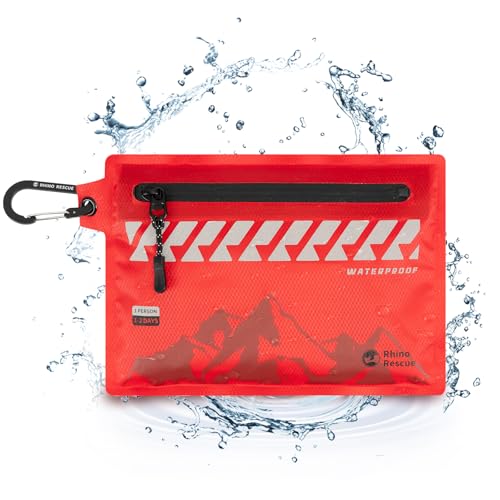
- Waterproof fabric with sealed seams and zippers
- Ultralight empty bag weighs about 30 grams
- 114 pieces include moleskin, blanket, and whistle
Best For: Runners wanting a weather-resistant kit for outdoor mileage
Simple Waterproof Backup

- 66-piece kit with core first-aid basics
- Waterproof rip-stop pouch for added protection
- Very light at 3.99 ounces for easy carry
Best For: Runners needing a small, basic backup kit for daily use
Ultralight Micro Kit
EVERLIT Ultralight Mini First Aid Kit

- 5" x 4.5" x 1" and 6.7 oz
- 50 essentials plus emergency blanket
- Water-resistant ripstop with carabiner
Best For: Runners who want the lightest possible kit for basic emergencies
Hard Shell Organizer
Mini First Aid Kit 150 Piece Red

- 150-piece supply set for more coverage
- Waterproof EVA hard shell with compartments
- 6.4" x 4.9" x 2.7" and 0.73 lbs
Best For: Runners who want a more complete compact kit for longer outings
Black Hard Shell Kit

- 150-piece setup with broad emergency coverage
- Waterproof EVA case with organized compartments
- Compact, lightweight design with carabiners
Best For: Runners who want the same 150-piece hard shell kit in black
Everyday Travel Pick – BAND-AID Travel Ready Mini Kit
If you want compact first aid kits for runners that can also pull double duty for travel and everyday carry, this BAND-AID Travel Ready kit is a practical grab-and-go option. It packs 80 pieces, including bandages, cleansing wipes, gauze pads, antibiotic cream, and pain relief caplets, all in a small case you can tuck into a bag or glove compartment.
Best For: Runners and travelers who want a small, trusted all-purpose kit with basic wound care and pain relief.
Pros:
- Compact, portable case designed for bags, cars, dorms, and travel
- Includes trusted BAND-AID, NEOSPORIN, and TYLENOL items
- 80-piece assortment covers minor cuts, scrapes, burns, aches, and pain
- Latex-free adhesive bandages in multiple sizes
Cons:
- Not specialized for blister-specific runner needs
- Case size is travel-friendly, but not ultra-minimal
This is a solid general-purpose kit if you want broad minor-injury coverage rather than a sport-specific setup. For runners who prefer one compact kit for training days and trips, it offers dependable essentials in a manageable size.
Blister-Focused Runner Kit – Advanced Blister Kit for Sport
For compact first aid kits for runners, this blister-focused set is the most targeted option in the group. It is built for sport and outdoors use, with gel toe sleeves, anti-friction patches, blister plasters, and heel-to-toe coverage in a kit that packs down easily when you’re on the move.
Best For: Runners who want a small, sport-specific kit centered on blister prevention and treatment.
Pros:
- Made specifically for sport and outdoor activity
- Includes gel toe sleeves, anti-friction patches, and blister plasters
- Covers heel, toe, and arch blister protection
- Comes with a soft, durable pouch and belt/carabiner loop
Cons:
- Only 18 pieces, so it is narrowly focused
- Less useful if you want a general wound-care kit
This is the best pick if blister prevention is your top priority on runs, hikes, or races. It sacrifices general first aid coverage in favor of a compact, highly specialized solution for foot hot spots.
Most Complete Portable Option – BAND-AID 160-Piece Compact Kit
If you want compact first aid kits for runners with more complete coverage, this 160-piece BAND-AID kit is the most fully stocked option here. It combines bandages, gauze, antibiotic cream, itch relief, pain relievers, and even a non-medicated ice pack in a portable hard case.
Best For: Runners who want a compact but more comprehensive first aid kit for training, travel, and outdoor use.
Pros:
- Large 160-piece assortment for broader minor-injury coverage
- Includes wound care, itch relief, pain relief, and a cold pack
- Portable, durable plastic case keeps supplies organized
- Useful for sports, travel, camping, and outdoor activities
Cons:
- Bigger and heavier than smaller minimalist kits
- Not specifically designed around running blisters
This is a strong choice if you want one compact kit that can handle more than just bandages. It is less specialized for runners than a blister kit, but it offers the widest range of supplies in a still-portable format.
Ultralight Packable Choice – Adventure Medical Ultralight .5 Kit
For runners who care most about keeping gear light, this ultralight medical kit is a smart compact first aid kit for runners. It fits easily in a pack side pocket and includes bandages, gauze, medications, moleskin for friction blisters, and other essentials in a waterproof DryFlex bag.
Best For: Runners and endurance athletes who want an ultralight, weather-resistant kit with blister supplies.
Pros:
- Ultralight design fits easily in a pack side pocket
- Waterproof inner DryFlex bag helps keep supplies dry
- Includes moleskin and blister-related essentials
- Also covers bandaging, antiseptic wipes, ointment, and minor wound care
Cons:
- Made for up to 2 people and up to 2 days, so capacity is limited
- Fewer general supplies than a larger all-purpose kit
This is the best option if you want a lightweight kit that disappears into your run pack but still handles common trail and road mishaps. It balances blister care, wound care, and weather resistance better than a basic travel kit.
Compact Trail-Ready Choice – PTEROMY 150 Piece Mini First Aid Kit
For runners who want compact first aid kits for runners without carrying unnecessary bulk, the PTEROMY 150-piece mini kit is a practical pick. It keeps common essentials for minor cuts, scrapes, and other small mishaps in a small, portable bag that fits well in a running pack, gym bag, or car.
Best For: Runners who want a compact, lightweight kit for everyday training, travel, and outdoor use.
Pros:
- 150-piece assortment covers everyday basics like band-aids, wipes, dressings, safety pins, scissors, and bandages.
- Compact bag design is easy to carry in a backpack or travel bag.
- Lightweight build at 0.25 kg makes it easy to stash without adding much bulk.
Cons:
- Smaller than the brand’s 300-piece version, so it has fewer total supplies.
- Notes emphasize general emergency use more than runner-specific items like blister care.
Overall, this is a straightforward, no-fuss option if you want a small kit that covers common minor injuries during runs and other daily activities. It balances portability and supply count well for runners who prioritize convenience.
Ultralight Waterproof Pick – RHINO RESCUE Small First Aid Kit
If you need compact first aid kits for runners that stay light and handle wet conditions, the RHINO RESCUE small kit is built with outdoor use in mind. Its waterproof fabric, sealed seams, and premium waterproof zippers make it a strong fit for runs where weather or sweat could be a factor.
Best For: Runners who want an ultralight, waterproof kit for outdoor training and longer route backups.
Pros:
- Ultralight design with an empty bag weight of about 30 grams.
- Waterproof fabric, seam sealing, and waterproof zippers improve protection.
- 114-piece supply set includes essentials for cuts, scrapes, burns, and blister prevention.
- Includes useful extras like a whistle, multitool card, emergency blanket, and moleskin for feet.
Cons:
- Contains more survival-oriented items than some runners may need for simple carry.
- At 2/3 pounds with supplies, it may be heavier than ultra-minimal kits.
This kit stands out for runners who want better weather resistance and foot-care support in a compact package. It is especially useful if your routes include longer outdoor sessions, mixed terrain, or unpredictable conditions.
Simple Waterproof Backup – Thrive Mini First Aid Kit
For runners looking for compact first aid kits for runners with a simple, everyday carry feel, the Thrive Mini First Aid Kit offers a small waterproof pouch and a focused 66-piece supply set. It is easy to tuck into a bag for training, commuting, or travel when you want basic emergency coverage without extra bulk.
Best For: Runners who want a small waterproof kit for light travel, commutes, and basic first-aid backup.
Pros:
- Compact 66-piece set covers core basics like bandages, antiseptic wipes, safety pins, and scissors.
- Waterproof rip-stop pouch adds protection for carrying in changing weather.
- Lightweight at 3.99 ounces, making it easy to store in a pack or glove box.
- Versatile enough for home, travel, office, or camping use.
Cons:
- Smaller supply count than the other two options in this roundup.
- Notes do not highlight runner-specific extras like blister-prevention items.
This is the most straightforward minimalist option here, which can work well if you mainly want a dependable backup kit. Its simple waterproof design and low weight make it appealing for runners who value easy storage over a larger inventory.
Ultralight Micro Kit – EVERLIT Ultralight Mini First Aid Kit
For runners who want compact first aid kits for runners without extra bulk, this EVERLIT mini kit keeps the footprint small while still packing 50 essential supplies. It’s a practical choice for trail runs, long training days, or race belts and packs where space matters.
Best For: Runners who want a very small, lightweight kit with enough basics for minor cuts, scrapes, and burns.
Pros:
- Very compact at 5″ x 4.5″ x 1″ and only 6.7 oz
- Includes 50 medical supplies plus a Mylar emergency blanket
- Water-resistant ripstop nylon helps protect supplies from splashes and light rain
- Carabiner makes it easier to clip onto a pack for quick access
Cons:
- Smaller supply count than larger emergency kits
- Soft-sided design may not offer as much structure as a hard shell case
This is a strong pick if your priority is shaving weight and keeping essentials close at hand. It’s built for portability first, which makes it especially appealing for runners who value minimal carry.
Hard Shell Organizer – Mini First Aid Kit 150 Piece Red
If you want compact first aid kits for runners with a fuller supply list, this 150-piece kit gives you more variety in a still-travel-friendly size. The waterproof hard shell and organized compartments make it easy to keep supplies protected and find what you need quickly.
Best For: Runners who want a more complete compact kit for group runs, trail use, or longer outings.
Pros:
- 150 pieces include bandages, gloves, tweezers, and a tourniquet
- Compact 6.4″ x 4.9″ x 2.7″ design at 0.73 lbs
- Waterproof EVA hard shell is durable and easy to clean
- Interior compartments keep supplies organized for faster access
Cons:
- Bulkier and heavier than ultra-mini soft kits
- Hard shell takes up more space in small running packs
This kit is a good balance of capacity and portability. It makes sense if you want more than the bare minimum while still carrying something that can ride in a pack or vehicle.
Black Hard Shell Kit – Mini First Aid Kit 150 Piece
This black version is another option for compact first aid kits for runners who want a small case with a broad supply mix. It keeps the same 150-piece layout, waterproof EVA build, and organized storage, making it easy to stash in a bag or pack.
Best For: Runners who prefer a waterproof hard shell kit with the same 150-piece setup in a darker color.
Pros:
- 150 professional-grade supplies for a wide range of minor emergencies
- Compact, lightweight 6.49″ x 4.92″ x 2.76″ form factor
- Waterproof EVA shell with premium zippers and bonus carabiners
- Organized compartments make items easier to locate quickly
Cons:
- Still larger than ultra-compact running kits
- Designed more for general emergency readiness than run-belt minimalism
Compared with the orange and red versions, this one is mainly a color and listing variation. It remains a solid choice if you want the same organized, waterproof design in a black finish.
How We Picked These Compact First Aid Kits for Runners
We prioritized kits that are easy to stash in a running vest, waist pack, bike jersey pocket, or day bag. The strongest options offer a practical mix of blister care, bandages, wound supplies, and a durable case that can handle sweat, rain, and repeated packing.
We also favored kits that make sense for runners specifically: low bulk, fast access, and enough versatility to cover common training and race-day issues without carrying unnecessary weight.
Quick Comparison: What to Expect
Some kits are built for ultra-light carry and short outings, while others are better as a “just in case” option for longer runs, trail days, or vehicle storage. In general, blister-focused kits are best for foot problems, while larger multi-piece kits are better for broader minor-injury coverage.
Fast Rule of Thumb
Choose the smallest kit that still includes the supplies you’ll actually use. If your main concern is hot spots and blisters, prioritize blister treatment first. If you run trails or remote routes, add more wound care and a sturdier case.
Key Buying Factors for Compact First Aid Kits for Runners
Weight and pack size: A kit should be small enough to disappear into your gear. Look for slim, soft-sided, or ultralight cases if you carry it on every run.
Blister support: For runners, this is often the most important category. Good kits include blister pads, moleskin-style items, tape, or small dressings that help prevent a minor hot spot from becoming a race-ending problem.
Weather resistance: Waterproof or water-resistant packaging is a big plus for sweaty runs, rain, and trail conditions. A tough shell can also protect contents from crushing in a pack.
Organization and access: When you’re tired or dealing with a nagging problem mid-run, easy-to-grab compartments matter. Look for kits that keep essentials visible and separated.
Use case fit: A compact kit for runners should match your terrain and distance. Road runners may need basic wound care and blister items, while trail runners often benefit from a broader supply list and a more rugged case.
Who Should Buy Which Compact First Aid Kits for Runners?
Daily runners and race-day minimalists: Choose the lightest compact option with blister basics and a few bandages. These are best when every ounce matters.
Marathon, half-marathon, and long-distance runners: Pick a more complete kit with stronger blister support and extra wound-care supplies for late-run issues.
Trail runners and adventure athletes: Go for a weather-resistant or waterproof kit with a more durable case, since conditions can change fast.
Coaches, event organizers, and support crews: A larger multi-piece kit makes more sense for handling a wider range of small injuries across multiple runners.
In short, the best Compact First Aid Kits for Runners are the ones you’ll actually carry. Start with the smallest kit that covers your most likely problems, then scale up only if your mileage, terrain, or weather demands it.