Choosing bike computers is easier when you know what matters most: reliable GPS, clear data at a glance, and navigation features that match how you ride.
This roundup focuses on the best options for road riders, commuters, gravel cyclists, and training-focused riders, with picks ranging from premium touchscreens to simple budget-friendly units.
Best 10 Bike Computers Picks for 2026
Premium GPS Cycling Computer
Garmin Edge 1050 Premium GPS Cycling Computer

- 3.5-inch vivid touchscreen
- Up to 60 hours battery-saver mode
- Road hazard alerts and group ride features
Best For: Riders who want a premium Garmin bike computer with advanced navigation and training tools
Touchscreen Navigation Bike Computer
iGPSPORT BSC500 Touchscreen MAP Navigation

- 3.3-inch touchscreen plus buttons
- Voice navigation and turn reminders
- Dual-band multi-satellite positioning
Best For: Riders who want an affordable touchscreen bike computer with map navigation and voice prompts
Easy-to-Use Cycling Navigator
Garmin Edge Explore 2 Easy-to-Use GPS Cycling Navigator

- 3-inch glove- and rain-friendly touchscreen
- Preloaded ride profiles and eBike routing
- Compatible with sensors and Varia devices
Best For: Riders who want a simple Garmin bike computer for navigation and everyday use
Compact Off-Course GPS Bike Computer
iGPSPORT BSC300T Compact Off-Course GPS Bike Computer
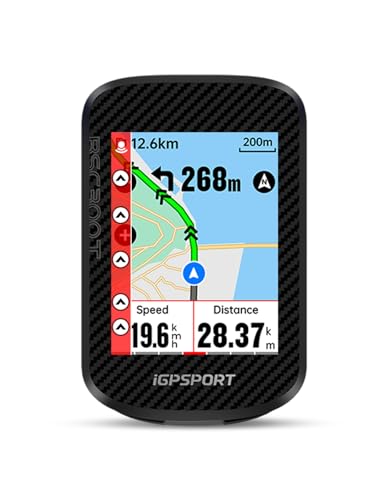
- 2.4-inch touchscreen with six buttons
- Offline maps and off-course warnings
- ANT+ and Bluetooth sensor support
Best For: Riders who want a compact GPS bike computer with offline navigation and sensor support
Premium Training GPS
Garmin Edge 540 Compact GPS Cycling Computer

- Up to 26 hours battery life; 42 hours in battery saver mode
- Multi-band GNSS improves positioning accuracy
- Adaptive coaching, stamina insights, and ClimbPro support training
Best For: Riders who want advanced navigation and training tools
Value Route Navigator
iGPSPORT BSC200S GPS Bike Computer

- Supports route creation and imports from major ride platforms
- Up to 25 hours battery life with USB-C charging
- Tracks 100+ riding data fields and stores 400 hours
Best For: Budget-minded riders who want navigation and lots of data
Smart Route Hub
Wahoo ELEMNT Bolt V3 GPS Cycling Computer

- Turn-by-turn navigation supports GPX, TCX, Strava, Ride with GPS, and Komoot
- Automatic route downloads and workout uploads simplify syncing
- ANT+ radar integration and smart notifications add ride awareness
Best For: Riders who want easy syncing and guided navigation
GPS Training Companion
CYCPLUS M1 GPS Bike Computer with Sensor Bundle

- 2.9-inch glare-free display with automatic backlight
- Includes GPS tracking, app sync, and Strava support
- Comes with speed/cadence sensor and handlebar mount
Best For: Riders who want a larger display and an included sensor bundle for training
Touchscreen Route Navigator
COOSPO CS600 Color GPS Bike Computer

- 2.4-inch color touchscreen with auto-backlight
- Built-in route navigation with breadcrumb trail support
- 36-hour battery life with IPX7 waterproofing
Best For: Riders who want touchscreen navigation and detailed training data
Easy Everyday Pick
Wireless GPS Bike Computer with 8 Languages

- 8-language interface simplifies setup and use
- Auto start/stop helps reduce manual riding interruptions
- 28-hour battery life with IPX7 protection
Best For: Daily riders and households that want a simple shared bike computer
Premium GPS Cycling Computer – Garmin Edge 1050 Premium GPS Cycling Computer
If you want one of the most advanced bike computers for navigation, training, and ride awareness, the Garmin Edge 1050 is built for that job. Its vivid 3.5-inch touchscreen, long battery life, and extensive smart features make it a strong fit for riders who want a premium all-in-one head unit.
Best For: Riders who want a premium Garmin bike computer with top-tier navigation, training tools, and smart connectivity.
Pros:
- Vivid 3.5-inch touchscreen with responsive course creation and clear map viewing
- Up to 20 hours of battery life, or up to 60 hours in battery saver mode
- Road hazard alerts, in-ride messaging, live location sharing, and incident detection when paired with a compatible smartphone
- Built-in speaker for workout prompts, navigation prompts, and an on-device bike bell
Cons:
- Premium feature set may be more than casual riders need
- Several advanced features depend on a compatible smartphone, power meter, or heart rate monitor
- Higher-end model than simpler GPS cycling computers
Overall, the Edge 1050 stands out as a feature-rich choice for cyclists who want detailed ride data, strong navigation support, and connected riding tools in one device.
Touchscreen Navigation Bike Computer – iGPSPORT BSC500 Touchscreen MAP Navigation
The iGPSPORT BSC500 is a practical bike computer for riders who want a larger touchscreen, voice navigation, and flexible route handling without jumping to a premium price tier. It combines touch and button control with multi-satellite positioning and route import support for everyday navigation.
Best For: Riders who want an affordable touchscreen bike computer with map navigation, voice prompts, and training tools.
Pros:
- 3.3-inch touchscreen with both touch and button operation
- Dual-band positioning with support for GPS, Beidou, GLONASS, Galileo, and QZSS
- Smart map navigation with route import from the iGPSPORT app, Strava, and Komoot
- Voice navigation, turn reminders, and automatic re-routing when off course
Cons:
- Smaller brand ecosystem than the most established GPS bike computer makers
- Some navigation and training features may be more than basic riders need
- Screen size is still modest compared with larger premium units
For riders who value guidance and route flexibility, the BSC500 offers a lot of navigation capability in a compact package.
Easy-to-Use Cycling Navigator – Garmin Edge Explore 2 Easy-to-Use GPS Cycling Navigator
The Garmin Edge Explore 2 is a straightforward bike computer for riders who want easy setup, clear mapping, and useful navigation features without a heavy training focus. Its 3-inch sunlight-readable touchscreen and ride-ready profiles make it a strong pick for touring, commuting, and general route guidance.
Best For: Riders who want a simple Garmin bike computer for navigation, eBike support, and everyday rides.
Pros:
- Easy-to-use 3-inch touchscreen that is glove- and rain-friendly
- Preloaded road, off-road, and indoor profiles for quick setup
- Improved maps with POIs, popular roads and trails, and eBike routing
- Compatible with sensors and Varia awareness devices for expanded ride data
Cons:
- 16-hour battery life is shorter than some other bike computers
- Less performance-focused than Garmin’s more advanced training units
- Some accessory features require separately sold sensors or Varia devices
If you care more about easy navigation than deep training analytics, the Edge Explore 2 is a practical and approachable choice.
Compact Off-Course GPS Bike Computer – iGPSPORT BSC300T Compact Off-Course GPS Bike Computer
The iGPSPORT BSC300T is a compact bike computer aimed at riders who want navigation, route warnings, and broad sensor compatibility in a smaller unit. Its offline map support, multi-satellite positioning, and real-time tracking features make it a versatile option for road, MTB, and eBike use.
Best For: Riders who want a compact GPS bike computer with offline maps, off-course alerts, and sensor compatibility.
Pros:
- 2.4-inch touchscreen with six buttons for flexible operation
- Global offline map support with route preview and turn prompts
- Off-course warning and real-time teammate tracking for group rides
- ANT+ and Bluetooth support for speed, cadence, heart rate, eBike, and smart trainer connections
Cons:
- Smaller 2.4-inch display than larger touchscreen bike computers
- Type-C cable is not included in the listed contents
- Battery life is listed at 20 hours, which may be limited for very long rides
For riders who want navigation safety and strong device pairing in a smaller package, the BSC300T is a solid, practical option.
Premium Training GPS – Garmin Edge 540 Compact GPS Cycling Computer
If you want bike computers that lean hard into navigation and training, the Garmin Edge 540 is built for riders who care about performance data as much as route guidance. It combines button controls with multi-band GNSS, ClimbPro ascent planning, and adaptive coaching, making it a strong pick for structured riding and demanding routes.
Best For: Riders who want advanced navigation, training prompts, and long battery life in a compact unit.
Pros:
- Up to 26 hours of battery life, or 42 hours in battery saver mode
- Multi-band GNSS helps improve positioning accuracy in challenging environments
- Adaptive coaching, stamina insights, and power guidance support structured training
- ClimbPro, ride-type maps, and searchable points of interest improve route handling
Cons:
- Training features are strongest when paired with a compatible power meter and heart rate monitor
- Smaller 2.6-inch display may feel compact for riders who prefer larger screens
- Button-based controls may be less intuitive than touchscreens for some users
This is one of the more capable bike computers here if you want navigation, planning, and performance tools in a compact design. It is especially appealing for riders who train regularly and ride varied terrain.
Value Route Navigator – iGPSPORT BSC200S GPS Bike Computer
For riders shopping bike computers on a budget, the iGPSPORT BSC200S focuses on practical navigation and everyday ride data. It supports route creation and imports from platforms like Strava, Ride with GPS, and Komoot, while also adding turn reminders, notifications, and sensor connectivity.
Best For: Riders who want an affordable GPS computer with navigation, notifications, and broad data fields.
Pros:
- Route navigation supports the iGPSPORT app plus third-party imports from Strava, Ride with GPS, and Komoot
- 2.4-inch semi-transparent, semi-reflective color screen is designed for clearer sunlight viewing
- Battery life is rated up to 25 hours with USB-C charging
- Tracks 100+ riding data fields and stores up to 400 hours of ride data
Cons:
- Type-C cable is not included in the box
- Navigation and sensor ecosystem are centered around iGPSPORT features and accessories
- Smaller display size may not suit riders who want a larger map view
The BSC200S is a straightforward option if you want core GPS features without paying for a premium training platform. It stands out most for route support, long battery life, and broad ride metrics.
Smart Route Hub – Wahoo ELEMNT Bolt V3 GPS Cycling Computer
The Wahoo ELEMNT Bolt V3 is a well-rounded choice among bike computers if you want guided routing and smooth connectivity. It can generate turn-by-turn directions, auto-download routes from supported platforms, and sync completed rides back to connected accounts, while also adding smart notifications and radar support.
Best For: Riders who want easy route syncing, turn-by-turn navigation, and app-connected features.
Pros:
- Turn-by-turn navigation works with GPX, TCX, and routes imported from Strava, Ride with GPS, and Komoot
- Automatic route downloads and workout uploads reduce manual syncing
- On-device route generation lets you build directions from the computer or companion app
- ANT+ radar integration and smart notifications add useful ride awareness
Cons:
- Battery life is rated at 20 hours, which is shorter than some rivals
- 2.3-inch display is compact for riders who prefer larger map screens
- Smart notifications require riding with a smartphone connected
This model is a strong fit if you value convenience more than raw feature depth. Its route handling and automatic syncing make it especially appealing for riders who regularly use third-party training and mapping platforms.
GPS Training Companion – CYCPLUS M1 GPS Bike Computer with Sensor Bundle
If you want bike computers that do more than show speed, the CYCPLUS M1 is built around GPS tracking, sensor support, and app syncing for training-focused rides. Its 2.9-inch glare-free screen is easy to read in sunlight, and the included speed/cadence sensor makes it a practical all-in-one setup for riders who want more ride data without a complicated install.
Best For: Riders who want a larger display, GPS tracking, and included speed/cadence sensor support for training and route logging.
Pros:
- Includes GPS positioning plus app sync for route tracking and Strava synchronization.
- 2.9-inch backlit screen uses FSTN technology for better visibility in daylight and at night.
- Supports ANT+ and Bluetooth sensors for speed, cadence, heart rate, power, and altitude data.
- Comes with a speed/cadence sensor and an easy handlebar mount installation.
Cons:
- Handlebar mount is only suitable for 31.8 mm bars.
- First-time setup requires setting the time zone before normal use.
- IPX6 protection is solid, but not as high as some fully sealed competitors.
Overall, the M1 stands out among bike computers for riders who want a bigger screen, sensor compatibility, and a straightforward way to sync rides into training apps. The included sensor bundle also adds value if you want to get started without buying extra accessories right away.
Touchscreen Route Navigator – COOSPO CS600 Color GPS Bike Computer
The COOSPO CS600 is one of the more feature-rich bike computers here, with a color touchscreen, built-in route navigation, and wireless syncing for riders who like clear mapping and detailed ride data. It uses GPS and GLONASS for tracking, supports app-based syncing to Strava and TrainingPeaks, and adds ecosystem support for compatible bike accessories.
Best For: Riders who want a touchscreen GPS bike computer with route navigation and deeper training features.
Pros:
- 2.4-inch color touchscreen with auto-backlight for easier viewing in changing light.
- Built-in route navigation with uploaded routes or breadcrumb trail guidance.
- Supports Bluetooth and ANT+ plus automatic syncing through the COOSPORIDE app.
- 36-hour battery life and IPX7 waterproof protection for longer rides in mixed weather.
Cons:
- Does not include additional sensors or extension mounts.
- Cadence, heart rate, and power tracking require compatible accessories sold separately.
- Touchscreen controls may not appeal to riders who prefer simple button-only operation.
For bike computers aimed at navigation and performance analysis, the CS600 offers a strong mix of mapping, customization, and long battery life. It is especially appealing if you want a cleaner interface and the option to build out a connected riding setup over time.
Easy Everyday Pick – Wireless GPS Bike Computer with 8 Languages
This wireless GPS bike computer is designed for riders who want simple setup and straightforward ride tracking without a steep learning curve. The 8-language interface makes the menus easier to understand, while auto start/stop and the included out-front mount make it a practical choice for commuting and casual cycling.
Best For: Riders who want a simple, easy-to-use bike computer for daily rides and shared use.
Pros:
- 8-language menu system helps simplify setup and everyday operation.
- Auto start/stop reduces manual interaction during traffic lights and short pauses.
- Up to 28 hours of battery life supports commutes and weekend rides.
- IPX7 protection and an out-front mount add useful everyday convenience.
Cons:
- Fewer advanced feature details are listed than on more training-focused bike computers.
- Not aimed at riders looking for touchscreen navigation or deep performance analytics.
- Display size is modest at 2.4 inches.
As a no-fuss option in the bike computers category, this model focuses on clarity, convenience, and shared usability. It makes the most sense if you want ride basics, easier menus, and dependable daily tracking rather than advanced training tools.
How We Picked the Best Bike Computers
We focused on the features riders actually use most: GPS accuracy, screen readability, navigation quality, battery life, sensor compatibility, durability, and ease of setup. We also gave extra weight to devices that balance useful training data with practical routing and day-to-day usability.
Quick Comparison
At a glance, premium Bike Computers tend to offer larger color displays, richer mapping, and more advanced training tools. Midrange models usually deliver the best mix of features and value, while entry-level units prioritize straightforward ride data, wireless syncing, and dependable basic navigation. If you want a device for long rides and route guidance, choose one with maps and strong battery life. If you mostly track speed, distance, and time, a simpler unit may be enough.
Key Buying Factors for Bike Computers
Navigation and Mapping
Consider whether you need turn-by-turn directions, offline maps, rerouting, or just breadcrumb-style route following. Riders who explore unfamiliar roads will benefit most from stronger navigation tools.
Display and Controls
Touchscreens are convenient for map use, but physical buttons can be easier in rain, gloves, or rough terrain. Screen size and brightness also matter for fast glances while riding.
Battery Life
Match runtime to your longest rides. Short commutes and training sessions need less battery than all-day gran fondos, bikepacking, or extended gravel rides.
Sensor and App Compatibility
Many Bike Computers support ANT+ and Bluetooth sensors for heart rate, cadence, power, and smart trainers. Make sure the model works with your existing gear and preferred training apps.
Durability and Waterproofing
Look for weather resistance if you ride year-round. A rugged housing and solid mount matter just as much as software features when conditions get messy.
Who Should Buy Which Bike Computers?
Choose a premium model if you want advanced navigation, detailed metrics, and a polished riding experience. Pick a midrange bike computer if you want strong all-around performance without paying top-tier prices. Go with a budget-friendly unit if your main priorities are speed, distance, basic routing, and simple wireless syncing.
For most riders, the best choice is the device that fits your routes, your sensors, and the type of riding you do most often—not the one with the longest feature list.