The best waterproof running backpacks make it easier to carry water, layers, nutrition, and essentials without adding unnecessary bulk. This roundup compares 10 hydration-focused options for training, trail running, cycling, hiking, and racing.
Because “waterproof” can describe anything from water-resistant fabric to a more protective design, pay close attention to capacity, bladder size, fit, storage, and weather protection before choosing.
Best 10 Waterproof Running Backpacks Picks for 2026
Best Lightweight Pick
12L Running Hydration Backpack

- 8.5-ounce pack with 12L capacity
- Includes a 2L food-grade water bladder
- Waterproof nylon with breathable back
Best For: Runners and cyclists needing lightweight hydration plus storage
Best Cold-Drink Storage

- 2L bladder with insulated storage pocket
- Water can stay cold up to four hours with ice
- Five pockets, including dual shoulder phone pockets
Best For: Warm-weather runs and hikes needing organized storage
Best for Cycling Visibility

- Reflective strip for low-light visibility
- Breathable back with adjustable waist straps
- Hydration compartment included; bladder sold separately
Best For: Cyclists and runners who prioritize visibility and fit
Best Organized
Maelstrom 2L Lightweight Hydration Vest

- Four storage pockets and external helmet clips
- 2L BPA-free bladder with insulated sleeve
- Ventilated panel and adjustable chest straps
Best For: Active users who need organized storage for longer outings
Lightest Option
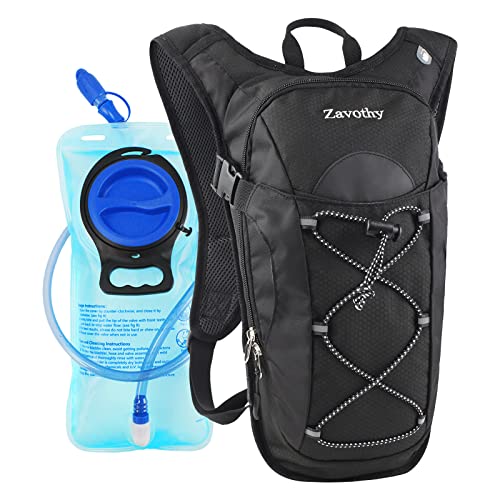
- Lightweight 0.73-pound construction
- Includes a BPA-free, anti-leak 2L bladder
- Breathable back mesh and adjustable shoulder straps
Best For: Weight-conscious runners and cyclists on shorter outings
Best Overall Storage
Zelvot 2L Running Hydration Vest

- 2L BPA- and PVC-free bladder included
- Three waterproof front pockets plus rear storage
- Adjustable, breathable, reflective design
Best For: Trail and endurance runners needing organized storage
Best for Modular Carry
Tactical 2L Running Hydration Vest

- 2L BPA-free PEVA bladder included
- Molle webbing adds accessory flexibility
- 15L listed capacity with organized pockets
Best For: Outdoor users wanting expandable hydration storage
Best Simple Pick

- Only 140 grams with a compact design
- 1.5L bladder plus side bottle pockets
- Four front pockets and reflective trim
Best For: Lightweight running and cycling training
Best Lightweight Pick – 12L Running Hydration Backpack
If you want waterproof running backpacks with room for water and small essentials, this 12-liter hydration pack is a practical option. It weighs just 8.5 ounces, includes a 2-liter bladder, and uses adjustable straps plus a breathable mesh back for active use.
Best For: Runners, cyclists, and hikers who want a very lightweight pack with generous storage and a 2-liter water bladder.
Pros:
- Lightweight 8.5-ounce design with 12-liter capacity
- Includes a 2-liter BPA-free, food-grade PEVA bladder
- Waterproof, tear-resistant PU-coated nylon fabric
- Multiple pockets and breathable air-mesh back
Cons:
- Storage and pocket specifications are described inconsistently in the supplied details
- Designed for essentials rather than heavy loads
Its combination of low weight, weather-resistant fabric, hydration capacity, and useful pockets makes it a well-rounded choice for everyday outdoor workouts.
Best Race-Focused Fit – IX INOXTO Hydration Vest
Among waterproof running backpacks, this hydration vest emphasizes a close, bounce-reducing fit for running and racing. Adjustable chest and waist straps, stretch mesh, reflective details, and a safety whistle support use during marathons, trail runs, and evening workouts.
Best For: Runners who prioritize a secure vest-style fit, low weight, visibility details, and hands-free hydration.
Pros:
- Lightweight 190-gram construction
- Adjustable chest and waist straps help limit bouncing
- Includes a 1.5- or 2-liter food-grade water bag
- Reflective designs and safety whistle add practical safety features
Cons:
- The supplied details do not specifically claim waterproof construction
- Three-liter overall capacity may limit larger gear loads
- Warranty is listed as three months
This is a focused running vest rather than a roomy daypack, making its fit system and safety features especially useful for organized races and trail outings.
Best Cold-Drink Storage – MIYCOO 10L Hydration Backpack
This MIYCOO model is a useful choice for shoppers comparing waterproof running backpacks and prioritizing organized storage. It provides five pockets, dual shoulder-strap phone pockets, a 2-liter bladder, and an insulated bladder compartment designed to keep water cold for up to four hours with an ice pack.
Best For: Runners, hikers, and cyclists who want organized pockets and chilled hydration during longer outdoor activities.
Pros:
- Includes a 2-liter BPA-free, odorless water bladder
- Insulated bladder pocket can keep water cold for up to four hours with an ice pack
- Five pockets, including dual shoulder phone pockets
- Breathable mesh straps and adjustable fit
Cons:
- At 0.67 kg, it is heavier than the lightest pack in this roundup
- The supplied details do not specifically confirm waterproof fabric
- Cold-retention performance depends on using an ice pack
Its insulation and pocket layout give it an advantage for warm-weather outings when accessible storage and cooler water matter more than minimum pack weight.
Best for Cycling Visibility – Reflective Hydration Daypack
If visibility and cycling versatility are priorities when choosing waterproof running backpacks, this compact daypack is worth considering. Its wear-resistant nylon and polyurethane construction includes a reflective warning strip, breathable honeycomb back, adjustable shoulder and waist straps, and a dedicated insulated water-bag compartment.
Best For: Cyclists, runners, and campers who want reflective visibility, an ergonomic fit, and a hydration-compatible pack.
Pros:
- Reflective strip helps provide a warning effect in low light
- Wear-resistant, tear-resistant nylon fabric with durable metal zipper
- Breathable honeycomb back and adjustable shoulder and waist straps
- Insulated water-bag compartment and hose-system exit
Cons:
- Water bladder is not included
- The supplied details do not specifically guarantee waterproof construction
- No warranty is listed
This pack is a strong fit for active commuters and outdoor users who value low-weight construction, visibility, and hydration compatibility, provided they already have a suitable bladder.
Most Versatile – CEROBEAR 2L Hydration Running Vest
If you want waterproof running backpacks with more flexibility than a basic hydration pack, the CEROBEAR combines a running vest, chest pack, and hydration backpack. Its water-resistant construction and sealed seams help protect essentials from light rain and trail splashes.
Best For: Runners, hikers, cyclists, and outdoor users who want adjustable storage and a removable hydration setup.
Pros:
- Includes a 2L BPA-free, PVC-free TPU bladder with an angled bite valve.
- 900D Oxford fabric, water-resistant materials, and sealed seams offer protection from light moisture.
- Adjustable chest and waist fit helps reduce bounce, while reflective strips improve visibility.
- Multiple storage options include a chest pocket, rear mesh pocket, webbing loops, and an external elastic cord.
Cons:
- The water-resistant design is described for light rain and splashes, not full submersion.
- The feature-rich vest may be more capacity and structure than minimalist runners need.
The CEROBEAR stands out for its adaptable design, durable fabric, insulated bladder compartment, and extensive organization. It is a practical choice when one pack needs to cover short runs, long hikes, and cycling trips.
Best Organized – Maelstrom 2L Lightweight Hydration Vest
The Maelstrom is a practical option among waterproof running backpacks for runners and cyclists who want organized storage without excessive weight. It combines a 2L bladder compartment with four storage pockets, reflective details, and a ventilated back panel.
Best For: Runners, cyclists, and hikers who value multiple pockets, helmet storage, and a customizable fit.
Pros:
- Lightweight 1.1-pound nylon construction includes four storage pockets.
- Fits a 2L BPA-free PEVA bladder in an aluminum-lined, insulated sleeve.
- Adjustable chest straps accommodate a broad range of body sizes.
- Ventilated back panel, hose ports, helmet clips, and reflective strips support active use.
Cons:
- The supplied notes describe durable nylon but do not specify sealed seams or a fully waterproof rating.
- At 1.1 pounds, it is heavier than the lighter Zavothy option in this roundup.
With its pocket layout, insulated bladder sleeve, and helmet attachment points, the Maelstrom is built for users carrying more than water. Its one-year warranty is an additional consideration for buyers planning frequent outdoor use.
Lightest Option – Zavothy 2L Hydration Backpack
For runners seeking lightweight waterproof running backpacks, the Zavothy keeps the load simple at 0.73 pounds. Its water-resistant, anti-scratch Oxford fabric, included 2L bladder, and breathable back design make it suited to running, cycling, and shorter hikes.
Best For: Weight-conscious runners and cyclists who want hands-free hydration with basic storage.
Pros:
- Weighs approximately 0.73 pounds, or 333.5 grams.
- Includes a BPA-free, anti-leak 2L water bladder.
- Waterproof and anti-scratch Oxford fabric is designed for portable outdoor use.
- Breathable Y-shaped air mesh and adjustable shoulder straps help reduce pressure.
Cons:
- The supplied details list one utility pocket, limiting organization compared with larger multi-pocket designs.
- The notes describe waterproof fabric but do not specify sealed seams or a submersion rating.
- Helmet storage is useful, but the pack is positioned mainly for daily running, biking, and short-distance hiking.
The Zavothy is a straightforward pick when low weight matters more than extensive storage. Its included 2L reservoir and breathable support make it especially appealing for shorter, fast-moving activities.
Best Overall Storage – Zelvot 2L Running Hydration Vest
For runners seeking waterproof running backpacks with organized storage, the Zelvot vest combines a 2L water bladder with three waterproof front zippered pockets and two larger rear pockets. Its adjustable fit, breathable mesh, and reflective details make it a versatile choice for trails, races, and longer outdoor sessions.
Best For: Trail runners and endurance athletes who want 2L hydration, substantial storage, and a secure adjustable fit.
Pros:
- Includes a 2L BPA- and PVC-free bladder with a high-flow bite valve.
- Three waterproof front pockets help protect phones, keys, and energy gels.
- Adjustable shoulder straps and waist belt are designed to reduce bounce and shifting.
- Reflective front and back details improve visibility in low light.
Cons:
- The 900D Oxford construction may feel less minimal than an ultralight running vest.
- The listed fit ranges may not cover every body shape or torso size.
The Zelvot is a strong all-around option when storage and durability matter as much as hydration. It is especially practical for runs requiring extra clothing, towels, or multiple small essentials.
Best for Modular Carry – Tactical 2L Running Hydration Vest
This tactical-style vest is one of the more feature-focused waterproof running backpacks, pairing a 2L PEVA bladder with waterproof front pockets, compartmentalized storage, and Molle webbing. The adjustable shoulder and waist straps are intended to keep the load stable during running, hiking, or cycling.
Best For: Outdoor users who want hydration storage with Molle attachment points and a larger overall carrying capacity.
Pros:
- Includes a BPA-free 2L PEVA water bladder.
- Waterproof front zippered pockets include sections for organizing small essentials.
- Molle webbing supports mounting patches and hanging accessories.
- Breathable mesh and adjustable straps help with comfort and fit.
Cons:
- At 1.7 pounds, it is heavier than a minimalist running pack.
- The tactical design may be more equipment-oriented than some runners need.
- The supplied warranty is shorter than the warranty listed for some competing options.
This vest makes sense for runners and hikers who value expandability over the lowest possible weight. Its 15-liter listed capacity offers more room for outdoor essentials, though that extra capacity can be unnecessary for short runs.
Best Simple Pick – INOXTO 1.5L Hydration Vest
If minimizing weight is your priority when comparing waterproof running backpacks, the INOXTO is a compact alternative. It weighs just 140 grams, includes a 1.5L bladder, and uses ventilated mesh, adjustable straps, and multiple front pockets for straightforward running and cycling storage.
Best For: Runners and cyclists who want an ultralight hydration vest for shorter outings and everyday training.
Pros:
- Very light 140-gram construction helps reduce carried weight.
- Includes a 1.5L water bladder and side pockets for 250 ml bottles.
- Four front pockets provide space for gels, keys, a phone, and other small items.
- Reflective trim supports nighttime visibility.
Cons:
- The 1.5L capacity is smaller than the 2L bladders in the other featured vests.
- The supplied notes do not identify the pack as waterproof; they describe lightweight nylon construction and breathable mesh.
- It is not intended for children 12 and under.
The INOXTO stands out for runners who prefer a low-bulk setup and do not need extensive cargo space. Choose it for lightweight training, while considering a more explicitly water-resistant option for wet-weather protection.
How We Picked the Best Waterproof Running Backpacks
We focused on hydration packs and running vests that include a water bladder or are designed around hands-free water carrying. The selection covers compact 1.5L and 2L systems as well as larger 3L options, with choices for road running, trail use, cycling, hiking, and longer races.
We also considered the features that matter most while moving: lightweight construction, adjustable fit, accessible pockets, bottle or bladder capacity, insulation claims, reflective details, and practical storage for phones, keys, nutrition, and a light layer. Product names may use “waterproof” broadly, so buyers should verify the manufacturer’s weather-resistance details rather than assume every pack is fully submersible.
Quick Comparison
- Best for most runners: A lightweight 2L hydration backpack offers a useful balance of water capacity, storage, and manageable weight.
- Best for longer outings: A 3L vest-style pack provides more hydration capacity for trail runs, hikes, and extended training sessions.
- Best for minimizing bulk: A compact 1.5L bladder pack is easier to carry when you need water and a few essentials.
- Best for versatility: Look for running-and-cycling designs with multiple pockets and adjustable straps.
Key Buying Factors for Waterproof Running Backpacks
Capacity and Hydration System
A 1.5L bladder may suit shorter runs, while a 2L reservoir is a versatile everyday choice. Choose 3L capacity when resupply points are limited or your route includes extended hiking and trail sections. Check whether the bladder, hose, bite valve, and storage compartment are included.
Fit and Bounce Control
A running vest should sit close to the torso without restricting breathing. Adjustable chest and shoulder straps help accommodate different body shapes, while compression and a stable sternum connection reduce bouncing. A snug fit is especially important when the pack is full.
Weather Protection and Durability
Water-resistant fabric and covered zippers can protect contents from light rain, but they are not necessarily waterproof. For wet-weather use, look for sealed seams, water-resistant compartments, protective closures, or an included rain cover. Keep electronics in a dedicated protected pocket or dry pouch when conditions are severe.
Storage and Comfort
Prioritize easy-access pockets for fuel, a phone, keys, and small safety items. Breathable back panels and padded or soft-edged straps improve comfort in warm weather. Reflective accents are useful for low-light visibility, though they do not replace a headlamp or other safety gear.
Who Should Buy Which Waterproof Running Backpacks?
Choose a lightweight 2L model for daily road runs, gym-to-trail use, and general training. Pick a vest-style design if you want closer body contact and easier access to nutrition while racing. A 3L pack is better for long trail days or hikes where water stops are scarce. Cyclists and multi-sport users should favor models with stable straps and enough room for tools or an extra layer. If you mainly run in rain, prioritize verified compartment protection and consider using internal dry bags for valuables.