Finding the best slat belt treadmills for sprint training means looking beyond maximum speed. Belt design, resistance, running mechanics, durability, and available training space all affect how effectively you can perform acceleration work.
This roundup includes curved manual treadmills, motorized options, and complementary resistance-training gear. Use the guide below to match the right setup to your goals, budget, and training environment.
Best 10 Slat Belt Treadmills for Sprint Training Picks for 2026
Best Overall
Sole C80 Curved Manual Treadmill

- Self-powered curved slat belt
- Eight magnetic resistance levels
- 330-lb capacity with Bluetooth LCD
Best For: Home-gym sprint intervals and cardio
Best Portable Training Tool
THEFITGUY Coach Resistance Belt

- Real-time partner-controlled resistance
- Non-elastic, zero-recoil design
- Supports sprint and agility drills
Best For: Coached field-speed training
Best Connected Motorized Option
NordicTrack T Series Treadmill

- Up to 10 mph with 0–10% incline
- Foldable frame for compact storage
- iFIT trainer-led workout support
Best For: Guided motorized home running
Best High-Capacity Pick
Curved Manual Treadmill with 8 Resistance Levels

- 500-lb maximum weight recommendation
- Eight adjustable resistance levels
- Large self-powered running surface
Best For: Heavy-duty sprint and HIIT training
Agility Belt Trainer

- Adds reaction-focused movement drills
- Lightweight polyester design
- Includes a one-year warranty
Best For: Athletes supplementing sprint and agility workouts
Manual Dog Slat Mill

- Manual pace controlled by the dog
- Three-level adjustable braking
- Fiberglass belt and steel frame
Best For: Medium-dog indoor exercise and conditioning
Top Pick

- No speed limit for self-paced sprints
- Eight magnetic resistance levels
- 330-pound capacity with a 59-inch belt
Best For: Home sprint conditioning and manual running workouts
Incline Option
THERUN Wide-Belt Incline Treadmill

- 12 automatic incline levels up to 12%
- Motor reaches up to 9 MPH
- Folding design for compact storage
Best For: Incline intervals and motorized home conditioning
Accessory Pick
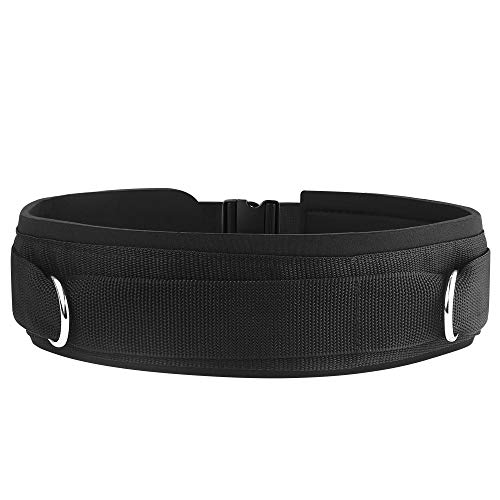
- Fits waists from 25 to 41 inches
- Two movable rings for cable attachments
- Supports speed and agility drills
Best For: Supplemental resisted training alongside treadmill work
Best Overall – Sole C80 Curved Manual Treadmill
For shoppers comparing slat belt treadmills for sprint training, the Sole C80 stands out as a self-powered option with a curved deck, eight magnetic resistance levels, and a 330-pound capacity. Its manual design lets the belt respond directly to your stride without requiring electricity.
Best For: Home-gym users who want sprint intervals, steady-state cardio, and adjustable manual resistance.
Pros:
- Self-propelled curved slat belt responds immediately to changes in stride.
- Eight magnetic resistance levels support walking, running, and sprinting workouts.
- 19-by-62-inch deck and 330-pound capacity suit demanding home sessions.
- Bluetooth LCD console tracks speed, distance, time, and heart rate.
Cons:
- Requires the user to drive the belt, which may feel more demanding than a motorized treadmill.
- Its 72-by-32-by-61-inch footprint may require dedicated floor space.
- Warranty coverage is one year for parts and labor.
The C80 is a strong all-around choice when you want the natural stride demands of a curved manual treadmill plus resistance adjustment and basic connected tracking.
Best Portable Training Tool – THEFITGUY Coach Resistance Belt
Although it is not a treadmill, the THEFITGUY Coach Resistance Belt complements slat belt treadmills for sprint training by adding partner-controlled resistance drills. Its non-elastic design provides smooth resistance without bungee recoil, making it useful for acceleration and agility work.
Best For: Athletes, coaches, parents, and teammates practicing resisted sprints away from the gym.
Pros:
- Coach or training partner can adjust resistance in real time.
- Non-elastic construction avoids snap-back and bounce.
- Supports acceleration, first-step quickness, agility, and change-of-direction drills.
- Padded neoprene belt includes a buckle strap and partner handles.
Cons:
- Requires a coach, parent, or teammate to apply resistance.
- Does not provide a treadmill surface or indoor running deck.
- Resistance is controlled by the partner rather than a fixed numeric setting.
This compact belt is best viewed as a complementary speed-training accessory rather than a substitute for a curved slat treadmill.
Best Connected Motorized Option – NordicTrack T Series Treadmill
The NordicTrack T Series is a motorized alternative to slat belt treadmills for sprint training, offering speeds up to 10 mph, a 0-to-10% incline range, and foldable storage. It is geared toward guided home workouts rather than the self-powered feel of a curved manual belt.
Best For: Home users who prefer motorized speed control, incline work, folding storage, and iFIT-guided workouts.
Pros:
- Reaches speeds up to 10 mph for running and interval training.
- 0-to-10% incline range adds terrain and intensity variation.
- Folding frame helps conserve space after workouts.
- iFIT can provide trainer-led workouts and automatic speed or incline adjustments.
Cons:
- It uses a corded electric motor rather than a self-powered slat belt.
- iFIT features require an iFIT Train Membership.
- Its 55-inch deck is shorter than the Sole C80’s listed 62-inch deck.
Choose this T Series model if guided programming, incline control, and foldability matter more to you than the direct stride-driven resistance of a curved manual treadmill.
Best High-Capacity Pick – Curved Manual Treadmill with 8 Resistance Levels
For buyers seeking slat belt treadmills for sprint training with substantial weight capacity, this curved manual treadmill supports up to 500 pounds and offers eight resistance levels. Its spacious running surface, rubber belt, and self-powered operation suit walking, running, and HIIT intervals.
Best For: Users who prioritize a heavy-duty frame, a large running area, and adjustable resistance for home workouts.
Pros:
- 500-pound maximum weight recommendation provides substantial capacity.
- Eight resistance levels can be adjusted with the side-mounted tension knob.
- 78.74-by-35.43-inch running surface accommodates taller runners.
- LED display tracks time, distance, speed, and calories, with a phone holder included.
Cons:
- At 418.5 pounds, the treadmill is very heavy to move.
- Heart-rate tracking requires a compatible chest strap or fitness watch, sold separately.
- Manual maintenance includes checking bolts and wiping down the belt.
This model is compelling for heavier-duty home use, especially if you want a broad deck and high capacity, but its substantial weight calls for careful placement.
Agility Belt Trainer – Dual Audible Feedback Belt
Although it is not a treadmill, this adjustable agility belt can complement slat belt treadmills for sprint training by adding resistance-free movement drills and reaction work. Its audible feedback is designed to help athletes respond faster during dynamic baseball, softball, and multi-sport exercises.
Best For: Athletes adding reaction and agility drills to a sprint-training routine.
Pros:
- Audible feedback supports reaction-time training.
- Designed for quick movements, batting, and fielding drills.
- Lightweight polyester construction at 0.25 kg.
- Includes a one-year manufacturer warranty.
Cons:
- It is an agility belt, not a treadmill or slat-belt running machine.
- The supplied details do not specify belt dimensions or resistance levels.
Choose this option when your sprint program needs portable reaction and movement practice rather than a running platform. It is particularly relevant for athletes training around baseball or softball movements.
Manual Dog Slat Mill – HotFeed Medium-Dog Treadmill
This HotFeed manual slat mill is designed for dogs, not human sprint training, so it should not be treated as a conventional option among slat belt treadmills for sprint training. Its non-motorized design lets a dog control the pace, while the brake, adjustable incline, and safety-focused construction support controlled pet exercise.
Best For: Medium-dog owners seeking weather-independent, manual exercise equipment.
Pros:
- Non-motorized operation allows the dog to set its own pace.
- Three-level adjustable braking system supports stopping and resistance control.
- Fiberglass running belt avoids splinters associated with traditional wooden belts.
- Steel frame, acrylic side panels, and adjustable incline provide a substantial setup.
Cons:
- It is intended for dogs and is unsuitable for human sprint training.
- At 120 pounds and up to 70 inches long, it requires significant floor space.
- Proper fit depends on measuring the dog before purchase.
This is a specialized canine slat mill rather than a human treadmill. Its manual pacing, braking system, and adjustable forward tilt make it a practical pet-fitness choice when indoor exercise is needed.
Sled Pull Waist Belt – Adjustable Resistance Training Strap
This waist belt is not a treadmill, but it can pair with slat belt treadmills for sprint training when your program also includes resisted acceleration work. It connects to sleds, tires, or a speed parachute and is built to support strength, speed, and agility exercises.
Best For: Athletes adding sled pulls and resisted sprint drills to training.
Pros:
- Supports sled, tire, and speed-parachute training.
- Soft 6.5 mm neoprene construction is designed for comfort.
- Adjusts for waists from 30 to 41 inches.
- Two rear D-rings simplify pulling-strap attachment.
Cons:
- It does not provide a treadmill or running belt.
- Fit is limited to the stated 30-to-41-inch waist range.
- The supplied details do not specify a maximum pulling load.
Consider this belt as a supplemental resistance tool rather than a standalone sprint machine. Its adjustable waist fit and dual D-rings make it useful for athletes who want to combine treadmill work with sled or tire pulls.
Top Pick – Sunny Smart Curved Treadmill
For shoppers comparing slat belt treadmills for sprint training, this manual curved treadmill stands out for its unrestricted pace and running-focused design. Its 59-by-17.7-inch belt, adjustable magnetic assistance, and durable construction support walking, jogging, and sprinting without a motor-imposed speed limit.
Best For: Home users who want a manual treadmill for sprint work, conditioning, and self-paced running.
Pros:
- No speed limit lets you set your own walking, jogging, or sprinting pace.
- Curved design encourages natural running mechanics and forefoot strikes.
- Eight magnetic resistance levels allow workout intensity adjustments.
- Supports users up to 330 pounds and includes a 59-inch belt.
Cons:
- Manual operation requires you to drive the belt with your own effort.
- It is a substantial 157-pound home-use machine.
- Heart-rate monitoring requires the separately sold HR200 accessory.
This is the strongest match in the group for sprint training because its curved manual belt removes the usual motor speed ceiling. The shock absorption, stabilizers, transport wheels, and free SunnyFit app add practical value for home workouts.
Incline Option – THERUN Wide-Belt Incline Treadmill
Although it is not a slat belt treadmill, this THERUN model can serve as a home conditioning option for runners comparing slat belt treadmills for sprint training. Its 3.0 HP motor, speeds up to 9 MPH, and 12-level automatic incline provide structured intensity, while the widened belt offers room for a comfortable stride.
Best For: Home users who prefer motorized interval workouts, incline running, and space-saving storage.
Pros:
- Offers 12 automatic incline levels from 0% to 12%.
- 3.0 HP motor supports speeds ranging from 0.5 to 9 MPH.
- 43.3-by-16.5-inch running belt provides a wider workout area.
- Folding design and hydraulic storage features suit compact home gyms.
Cons:
- Its 9 MPH maximum is more limited for all-out sprinting than a no-speed-limit manual treadmill.
- It uses a conventional motorized belt rather than a slat belt.
- The supplied warranty description is limited to one year.
The incline range makes this a practical choice for hill-style intervals and progressive conditioning, but its speed ceiling means it is better suited to controlled sprint intervals than unrestricted top-speed work.
Accessory Pick – Neoprene Speed Training Belt
This waist belt is not a treadmill, but it can complement a sprint-training setup for shoppers researching slat belt treadmills for sprint training. The adjustable neoprene-padded belt attaches to cable machines or resistance trainers, helping add resisted movement work for speed and agility sessions.
Best For: Athletes adding cable-based resisted drills, kickbacks, and agility exercises alongside treadmill training.
Pros:
- Adjusts to fit waists from 25 to 41 inches.
- Thick 5.5-millimeter neoprene padding improves comfort during use.
- Two movable rings attach to cable machines and resistance trainers.
- Designed for strength, speed, and agility training.
Cons:
- It is an accessory, not a treadmill or running surface.
- It requires compatible cable or resistance equipment.
- It does not provide treadmill-based sprint metrics or belt speed control.
Consider this belt as a supplemental training tool rather than a substitute for a slat treadmill. Its adjustable fit and attachment rings make it useful for resisted drills that can round out sprint-focused programming.
How We Picked the Best Slat Belt Treadmills for Sprint Training
We focused on equipment that can support acceleration drills, repeated high-effort intervals, and sprint-specific conditioning. The main considerations were belt construction, running surface, resistance or speed control, stability, user comfort, and suitability for home use. Because some selected products are training belts or accessories rather than treadmills, we considered how each item can complement sprint work when a full slat-belt machine is not practical.
Curved manual treadmills generally received the most attention for sprint mechanics because the runner controls pace by driving the belt. Motorized treadmills can still be useful for controlled intervals, warmups, and general conditioning, while resistance belts and sled straps are better suited to off-treadmill power development.
Quick Comparison
| Equipment type | Best use | Key advantage |
|---|---|---|
| Curved manual treadmill | Sprint mechanics and intervals | Self-powered speed control |
| Motorized treadmill | Timed runs and conditioning | Consistent programmed pace |
| Resistance belt or sled strap | Acceleration and strength drills | Portable resistance training |
| Agility belt | Reaction and lateral drills | Partner-assisted movement work |
Key Buying Factors for Slat Belt Treadmills for Sprint Training
Belt Design and Running Feel
Look for a slat or segmented belt that moves smoothly under force and feels stable during rapid acceleration. A curved deck can encourage a more natural forward lean, but it may require more effort than a conventional treadmill.
Deck Size and Stability
Sprinters need enough room for a confident stride, particularly during maximal efforts. Check the usable belt length and width, overall machine weight, handrail placement, and frame stability. A compact model may save space but feel restrictive for taller users or all-out running.
Resistance and Pace Control
Manual treadmills should offer predictable belt resistance and, ideally, multiple adjustment levels. For motorized models, verify the top speed, acceleration response, incline range, and whether the controls can be reached safely while running.
Durability, Maintenance, and Noise
Frequent sprinting creates more impact and belt friction than casual walking. Favor robust frames, durable slats, replaceable components, and clear maintenance instructions. Also consider noise and vibration if the treadmill will be used in an upstairs room or shared home.
Training Space and Safety
Measure the machine footprint, ceiling clearance, and surrounding area before buying. Leave room behind and beside the treadmill, use appropriate footwear, and choose a model with reliable braking or emergency-stop features when available.
Who Should Buy Which Slat Belt Treadmills for Sprint Training?
Choose a Curved Manual Treadmill If You Want Sprint-Specific Training
This is the strongest fit for athletes who want self-paced acceleration work, resisted running, and a more active running motion without relying on a motor.
Choose a Motorized Treadmill for Structured Conditioning
A conventional treadmill is better for users who prioritize repeatable speeds, longer intervals, incline sessions, and straightforward home cardio alongside occasional sprint work.
Choose Belts and Sled Straps for Portable Resistance Drills
Resistance belts, waist harnesses, and pulley straps suit athletes with limited space or access to a track. They can complement a treadmill, but they do not replace a stable running deck for maximal-speed efforts.
Choose Agility Equipment for Multidirectional Training
Agility belts are useful for reaction, lateral movement, and partner drills. They are best viewed as accessories for a broader speed program rather than substitutes for a treadmill.